Blocked sewer or storm lines can bring an entire construction project to a halt. However, many contractors underestimate how quickly debris, sediment, and buildup accumulate inside underground pipes. As a result, projects face delays, failed inspections, and unexpected repair costs.
Hydro jetting solves this problem efficiently and safely. When performed by trained professionals, it restores full pipe capacity, improves inspection accuracy, and protects underground infrastructure before small issues turn into major setbacks.
In this guide, we explain exactly how hydro jetting works, when to use it, why it matters on construction sites, and how it supports long-term system performance.
What Is Hydro Jetting?
Hydro jetting is a high-pressure water cleaning method used to remove blockages and buildup from pipelines. Unlike mechanical snaking, which punches a hole through debris, hydro jetting completely scours the pipe interior.
The process uses specialized equipment that pumps water at pressures typically ranging from 3,000 to 8,000 PSI (depending on pipe condition and diameter). A multi-directional nozzle directs pressurized water both forward and backward. Consequently, the system breaks apart obstructions while simultaneously flushing debris out of the line.
Because hydro jetting uses only water, it avoids harsh chemicals and protects both the pipe material and the surrounding environment.
How Hydro Jetting Works (Step-by-Step)
Understanding the process helps project managers make informed decisions.
Initial Assessment
First, technicians evaluate the system. In many cases, crews perform a video pipe inspection to assess pipe condition, diameter, and blockage severity. This step ensures the pipe can withstand the appropriate pressure level.
Equipment Setup
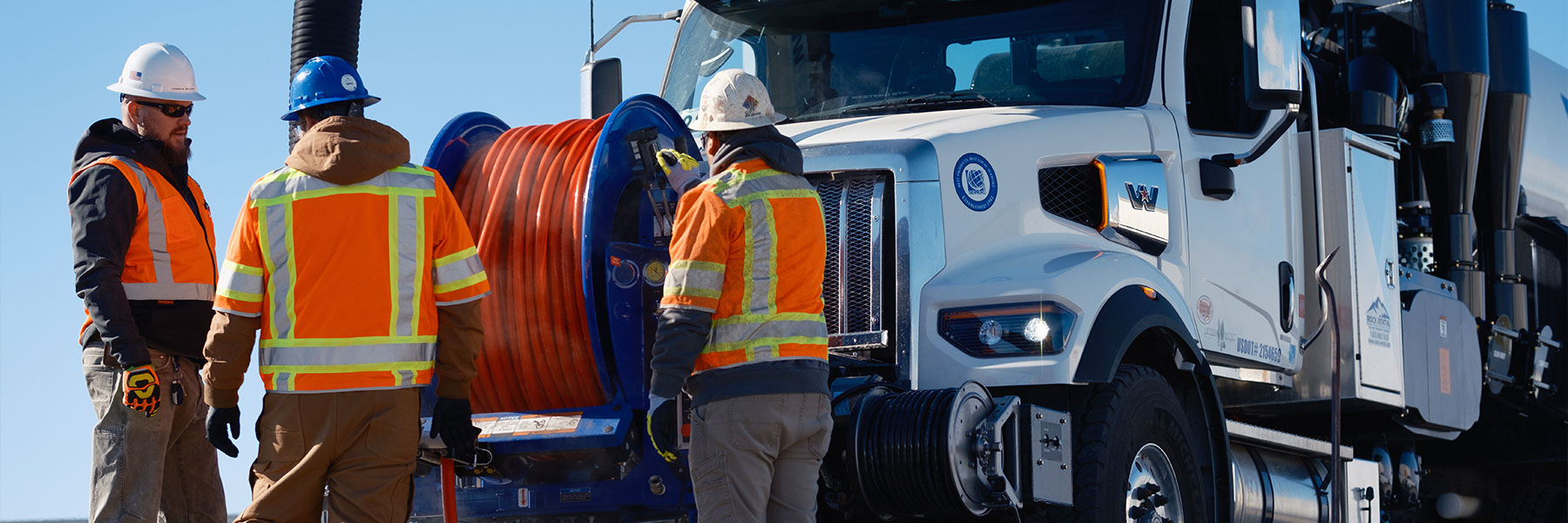
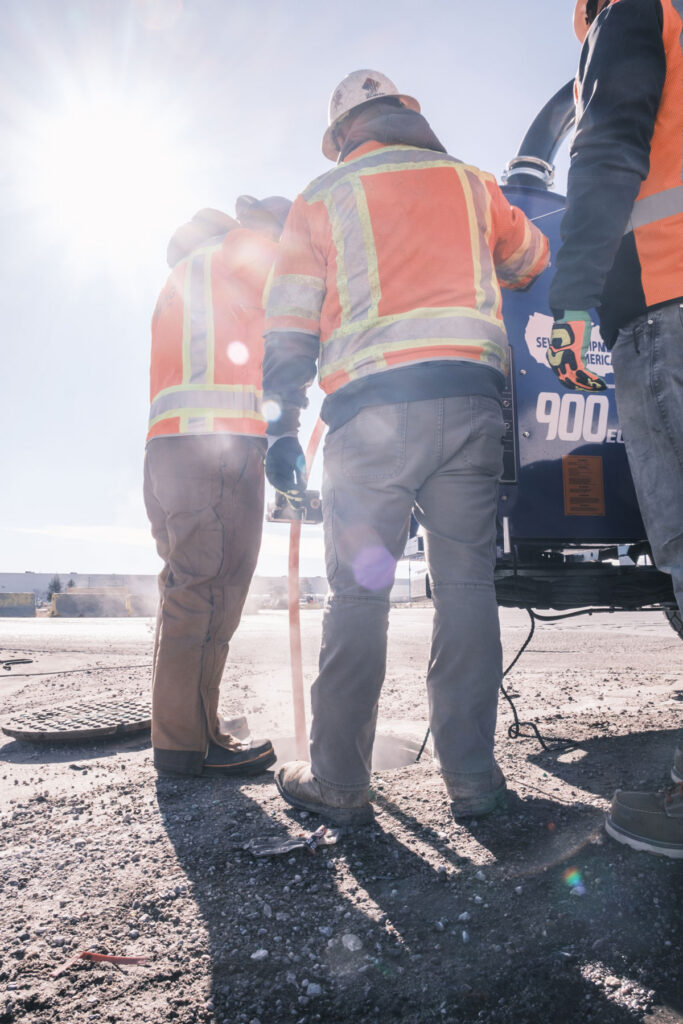
Next, technicians position the hydro jetting unit near an access point, such as a cleanout or manhole. They insert a specialized hose fitted with a jetting nozzle into the pipe.
High-Pressure Cleaning
Once activated, high-pressure water drives the nozzle forward while rear jets pull the hose deeper and flush debris back to the access point. As a result, technicians efficiently remove grease, sludge, sediment, roots, and construction debris.
Final Inspection
After cleaning, crews often conduct another camera inspection. Therefore, they confirm that the pipe is clear and structurally sound.
This systematic approach ensures accuracy, safety, and long-lasting results.
When Should Construction Projects Use Hydro Jetting?
Hydro jetting plays a critical role in multiple phases of construction and infrastructure work.
Before Video Pipe Inspections
If pipes contain buildup, cameras cannot capture clear footage. Consequently, engineers may miss cracks, separations, or offsets. Cleaning the line first guarantees accurate diagnostics.
After Heavy Construction Activity
During grading, trenching, or utility installation, sediment and slurry frequently enter storm and sewer systems. Over time, this material hardens. Therefore, hydro jetting removes debris before it restricts flow.
When Experiencing Recurring Blockages
If a system clogs repeatedly, the problem likely stems from residue along the pipe walls. In contrast to snaking, hydro jetting eliminates the underlying buildup, reducing future service calls.
As Preventative Maintenance
Proactive cleaning keeps infrastructure functioning at peak capacity. As a result, municipalities, commercial properties, and contractors avoid emergency excavation and costly downtime.
What Types of Blockages Can Hydro Jetting Remove?
Hydro jetting effectively clears:
- Grease buildup
- Sand and sediment
- Sludge accumulation
- Mineral deposits
- Tree root intrusion (in many cases)
- Construction debris
- Concrete slurry residue
Because the water pressure reaches every section of the pipe interior, it provides a comprehensive cleaning rather than a temporary fix.
Key Benefits of Hydro Jetting for Construction Projects
Hydro jetting delivers measurable advantages across safety, cost, and performance.
Improves Job Site Safety
Blocked lines increase the risk of backups, flooding, and environmental hazards. However, clean systems reduce those risks significantly. Therefore, crews operate in safer, more predictable conditions.
Enhances Inspection Accuracy
Clean pipes allow clear video inspection footage. Consequently, engineers make informed decisions about repairs, replacements, or approvals.
Reduces Long-Term Costs
Although hydro jetting requires an upfront investment, it prevents larger repair expenses. In fact, removing buildup early often eliminates the need for excavation or pipe replacement.
Protects Underground Infrastructure
By using controlled water pressure instead of harsh mechanical cutting tools, technicians minimize pipe damage. Additionally, professional operators adjust pressure levels based on material type and pipe age.
Supports Environmental Responsibility
Because hydro jetting uses only water, it avoids chemical cleaners that may contaminate soil or groundwater.
Hydro Jetting vs. Snaking: What’s the Difference?
Many contractors ask whether snaking is sufficient. While snaking can relieve minor clogs, it does not clean the entire pipe wall.
- Snaking: Creates a small opening through the blockage.
- Hydro Jetting: Fully removes debris and restores pipe diameter.
Therefore, hydro jetting provides a longer-lasting and more thorough solution, especially for commercial and construction applications.
Is Hydro Jetting Safe for All Pipes?
Hydro jetting is safe when performed correctly. However, older or severely damaged pipes require inspection before cleaning. Professionals assess:
- Pipe material (PVC, clay, cast iron, etc.)
- Pipe age
- Structural integrity
- Existing cracks or separations
By adjusting pressure levels appropriately, trained crews protect system integrity while achieving maximum cleaning effectiveness.
Why Hydro Jetting Matters Before Subsurface Work
And How Hydro Jetting Supports Long-Term Infrastructure Performance
Infrastructure investments must last decades. However, buildup gradually restricts pipe capacity. Over time, even small deposits increase system pressure and wear.
Routine hydro jetting:
- Maintains full flow capacity
- Reduces strain on pumps and lift stations
- Extends pipe lifespan
- Prevents emergency service calls
Consequently, property owners and municipalities protect both operational budgets and public safety.
Final Thoughts: A Smart Investment in Prevention
Construction professionals prioritize safety, efficiency, and cost control. Hydro jetting supports all three. By thoroughly cleaning underground systems, teams reduce risks, improve inspections, and prevent unexpected disruptions.
Instead of reacting to blockages after they cause damage, proactive hydro jetting keeps projects moving forward.
If your project involves storm, sewer, or drainage infrastructure, consider adding hydro jetting to your pre-construction or maintenance plan. A clean system today prevents major problems tomorrow.
Why Choose Safe Site for Hydro Jetting Services?
Safe Site delivers hydro jetting services with precision, safety, and efficiency. Our trained technicians use advanced equipment to clean pipelines while protecting underground infrastructure thoroughly. We understand how hydro jetting works with utility locating and video inspections, so we help prevent delays before they happen. When you choose Safe Site, you choose a proactive partner focused on keeping your project safe and on schedule.