Excavation work is one of the highest risk activities on any job site. Even small errors can result in utility strikes, trench failures, unexpected delays, and serious hazards for workers. Strong excavation safety practices protect crews, prevent damage, and help projects stay on schedule.
Understanding where teams commonly go wrong is the first step toward building safer excavation procedures.
Below are five of the most frequent excavation safety mistakes and tips on how to avoid them.
Not Locating Private Utilities Before You Dig
A major oversight crews often make is assuming the markings on site show every underground utility. Public locators only mark utilities owned by the municipality or the utility company. Everything else is considered private and therefore not marked.
These can include:
- Power to outbuildings
- Private electrical or gas service
- Irrigation lines
- Security wiring
- Facility-owned communications lines
- Septic or sewer laterals
How to avoid it?
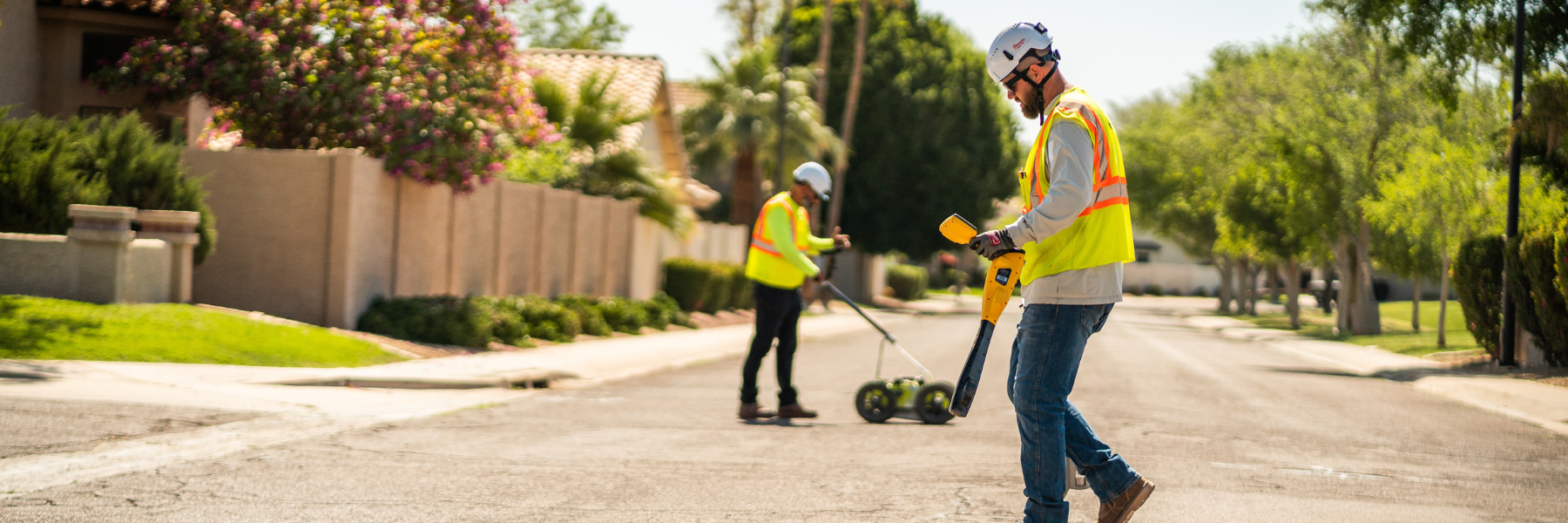
Always work with a qualified private utility locating provider before excavation begins. Safe Site utilizes advanced locating technology to identify public and private lines, enabling you to prevent unexpected strikes.
Relying on Outdated or Incomplete Site Information
Many excavation incidents occur because crews rely on old drawings, previous project notes, or incomplete maps. Underground infrastructure changes over time due to repairs, upgrades, or prior construction activity.
How to avoid it?
Use updated utility mapping for every project. Safe Site provides accurate, job-specific mapping so crews know exactly what is below the surface at the time of the excavation.
Poor Assessment of Soil Stability and Trench Conditions
Soil type, moisture levels, and ground stability all impact trench safety. Even shallow trenches can collapse if soil shifts due to weather, nearby equipment vibration, or natural settling.
How to avoid it?
To avoid it you need to:
- Identify soil type before trenching
- Use shoring, shielding, or benching when required
- Inspect trench walls frequently throughout the day
- Never allow workers to enter an unprotected trench deeper than five feet
Combining proper soil assessments with safe trench design significantly reduces the risk of collapse.
Inadequate Communication Among Crews
Excavation requires clear and consistent communication. When teams rush or rely on verbal directions only, important details can be missed. This increases the risk of digging in the wrong location or entering an unsafe trench area.
How to avoid it?
Review maps, markings, and job plans with the entire crew before digging. Keep communication open throughout the project and update teams whenever conditions change.
Skipping Pre-Dig Planning and Rushing the Work
Fast timelines often tempt crews to begin digging before safety checks are complete. This increases the risk of trench failure or utility strikes and usually creates bigger delays later.
How to avoid it?
Build safety planning into your schedule from the beginning. Verify markings, review trench protection needs, confirm depths, and reassess as conditions shift throughout the day.
The Importance of Excavation Safety
Strong excavation safety practices protect workers, prevent utility damage, and reduce costly project interruptions. By avoiding these common mistakes, teams can approach every dig with confidence and clarity.
Safe Site supports contractors, facility owners, and municipalities with accurate private utility locating, site mapping, and damage prevention services that enhance excavation safety for every project.
Plan a Safer Dig With Safe Site
Before any excavation, make sure you know what is underground. Safe Site provides fast and reliable private utility locating so crews can dig safely and efficiently.
Ready to schedule your next locate? Contact us!