If you’ve been searching for terms like “hydro excavation vs vacuum excavation,” “hydrovac excavation near me,” or “safe digging around utilities,” you’re likely trying to understand which method is best for your project. While these terms are often used interchangeably, they don’t mean the same thing.
In fact, misunderstanding the difference can lead to choosing the wrong method for your job. So, let’s break it down clearly and practically.
What Is Vacuum Excavation?
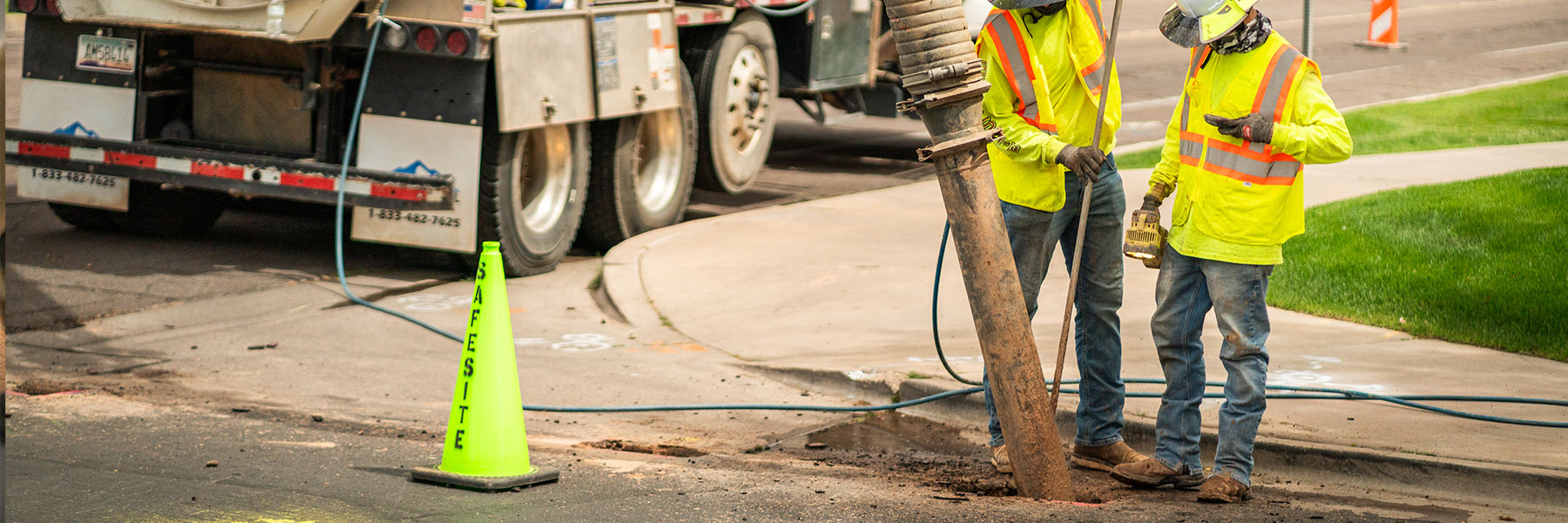
To begin with, vacuum excavation is not a single method; it’s a category of excavation techniques. It refers to any process that uses a high-powered vacuum system to remove soil, debris, or slurry from the ground.
Instead of relying on mechanical digging, vacuum excavation removes material through suction after it has been loosened. Because of this, it falls under what’s commonly called non-destructive digging, which is widely used for safely exposing underground utilities.
However, here’s where confusion often starts: vacuum excavation includes both water-based and air-based methods. That means when people compare “vacuum excavation vs hydro excavation,” they’re actually comparing a broad category to one specific type within it.
What Is Hydro Excavation?
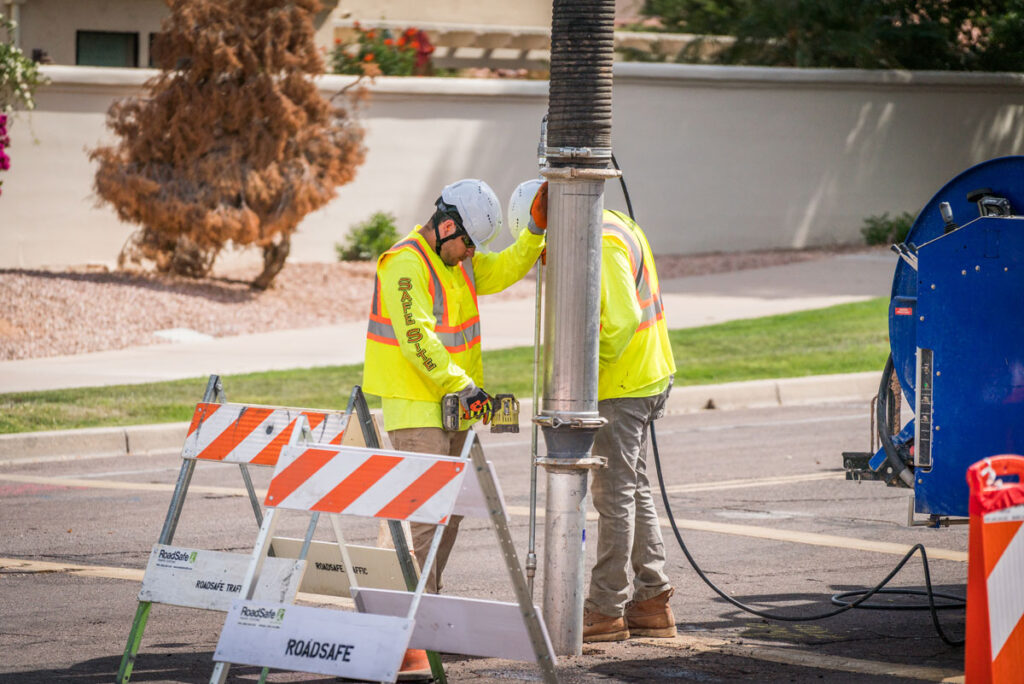
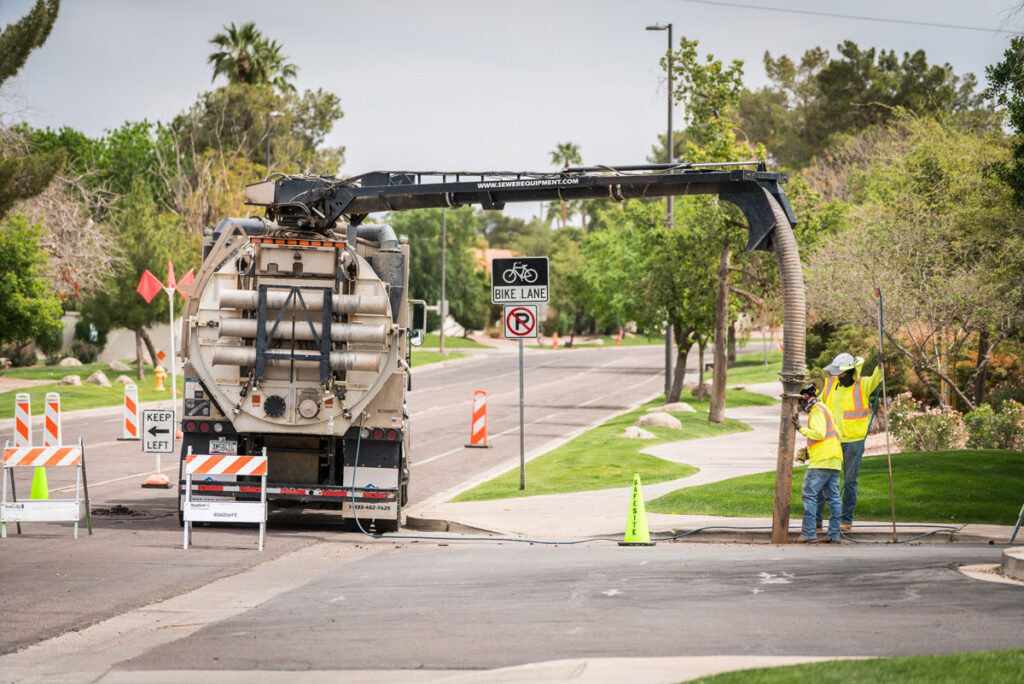
Hydro excavation (often referred to as hydrovac excavation) is one of the most widely used forms of vacuum excavation. It uses pressurized water to break up soil, which is then removed using a vacuum system and stored in a debris tank.
Because water is highly effective at cutting through soil, this method performs especially well in dense, compacted, or even frozen ground. In colder regions, heated water can be used, making hydro excavation a reliable year-round solution.
As a result, hydro excavation is commonly used for utility daylighting, trenching, and subsurface utility engineering (SUE). It allows crews to expose underground infrastructure quickly while minimizing the risk of damage.
Where the Difference Really Lies
At its core, the difference is simple but important. Vacuum excavation is the overall process, while hydro excavation is a specific technique within that process.
A more accurate comparison would be hydro excavation versus air (or dry) vacuum excavation. The distinction comes down to how the soil is loosened before it is vacuumed.
Hydro excavation uses water, which creates a slurry that must be removed and disposed of. In contrast, air excavation uses compressed air to break apart the soil, keeping it dry and often reusable.
This difference affects everything from job speed to cleanup requirements and even safety considerations.
Which Method to Choose?

Soil Conditions and Job Performance
One of the biggest factors in choosing between these methods is soil condition. Hydro excavation tends to perform better in challenging environments. For example, if the ground is heavily compacted, clay-based, or frozen, water provides the cutting power needed to break through efficiently.
On the other hand, air excavation is better suited for loose or sandy soil. Because it keeps the material dry, it allows for immediate backfilling, which can save time and reduce disposal costs.
Therefore, while hydro excavation may be more powerful overall, air excavation offers advantages in situations where moisture could create complications.

Efficiency, Speed, and Cleanup
When it comes to speed, hydro excavation often has the edge. Water breaks up soil quickly, which makes it ideal for larger-scale projects or jobs with tight timelines. That’s one reason why it’s widely used in construction, municipal work, and utility installation.
However, this efficiency comes with a trade-off. The process creates a wet slurry that must be transported and disposed of properly. This can add logistical steps to the project.
In contrast, air vacuum excavation produces dry material. Because of this, the excavated soil can often be reused immediately, simplifying cleanup and reducing the need for hauling.

Safety and Utility Protection
Both hydro and air vacuum excavation are significantly safer than traditional digging methods. Instead of using heavy machinery that can easily damage underground utilities, these techniques allow for precise, controlled excavation.
That said, there are situations where one method may be safer than the other. For instance, air excavation is often preferred around electrical utilities because it avoids introducing water into the area. Meanwhile, hydro excavation is highly effective for safely exposing pipelines and other buried infrastructure without causing damage.
In either case, these methods dramatically reduce the risk of utility strikes, which can lead to costly repairs, service disruptions, and safety hazards.
When Hydro Excavation Makes More Sense
Hydro excavation is typically the better choice when the job requires power and efficiency. It’s especially useful in tough soil conditions or when working on large-scale projects where speed matters.
It also excels in applications like trenching, potholing, and utility daylighting, where precision and minimal surface disruption are critical.
What about Vacuum (Air) Excavation?
Air vacuum excavation becomes the preferred method when maintaining dry conditions is important. This is often the case in environmentally sensitive areas or when working near electrical systems.
Additionally, if the project benefits from reusing excavated soil, air excavation offers a clear advantage by eliminating the need to manage slurry.
Why This Matters for Modern Projects
Today’s construction and utility industries demand more than just speed; they require accuracy, safety, and efficiency. That’s why non-destructive digging methods like hydro and vacuum excavation are becoming the standard.
Not only do they reduce the risk of damaging underground infrastructure, but they also improve project timelines and lower long-term costs. As a result, they are widely used in everything from oil and gas projects to urban development and renewable energy installations.
Clearing Up Common Confusion
A common misconception is that hydro excavation and vacuum excavation are competing methods. In reality, one is part of the other. Hydro excavation relies on vacuum technology, which means it falls under the broader category of vacuum excavation.
Another misunderstanding is that vacuum excavation always uses air. While that can be true, it’s only one variation. The method used (air or water) depends entirely on the needs of the project.
Final Thoughts
Choosing between hydro excavation and vacuum excavation isn’t about deciding which one is better overall. Instead, it’s about understanding the job requirements and selecting the method that fits best.
If you’re dealing with hard or frozen ground and need fast, efficient results, hydro excavation is likely the right choice. On the other hand, if your project requires dry conditions, precise control, or minimal cleanup, air vacuum excavation may be the better option.
Ultimately, both methods offer a safer, more advanced alternative to traditional digging. By understanding the difference, you not only make better project decisions but also position yourself to take advantage of the most effective excavation technologies available today.
Frequently Asked Questions (FAQs)
Some frequently asked questions to help you understand our service in details.
Can Safe Site handle large or complex excavation projects?
Yes. Our team has experience with projects of all sizes, from urban utility daylighting to large-scale construction, using both hydro and air vacuum excavation methods to meet your project needs efficiently.
How does Safe Site ensure safety around underground utilities?
We use non-destructive digging methods, advanced mapping technology, and skilled operators to prevent utility strikes, protecting both your project timeline and budget.
What is the typical turnaround time for excavation services?
Turnaround depends on project size and soil conditions, but our efficient hydro and vacuum excavation techniques often allow faster completion than traditional methods, minimizing downtime.
Can you work in sensitive or restricted job sites?
Absolutely. Our team tailors excavation methods to site conditions, ensuring minimal disruption, precise utility exposure, and compliance with environmental and safety requirements.

Why Choose Safe Site for Excavation Services?
Safe Site combines expertise, advanced equipment, and a focus on safety to deliver precise hydro and air excavation.
We expose underground utilities with minimal disruption, reduce the risk of utility strikes, and integrate seamlessly with utility mapping and SUE workflows. For reliable, efficient, and safe excavation, Safe Site is the partner you can trust.