Before excavation or construction, knowing what lies underground is crucial. Gas lines, water pipes, fiber optics, and electrical conduits support modern communities but can cause serious risks if crews hit them during digging. Subsurface Utility Investigation (SUI) combines advanced locating technology with careful excavation to reveal these underground utilities. It helps construction teams work safely, improve planning, and avoid costly utility strikes. In this guide, you’ll learn what SUI is, why it matters, and how the complete process works.
What Is Subsurface Utility Investigation?
Quality Levels in Utility Investigation
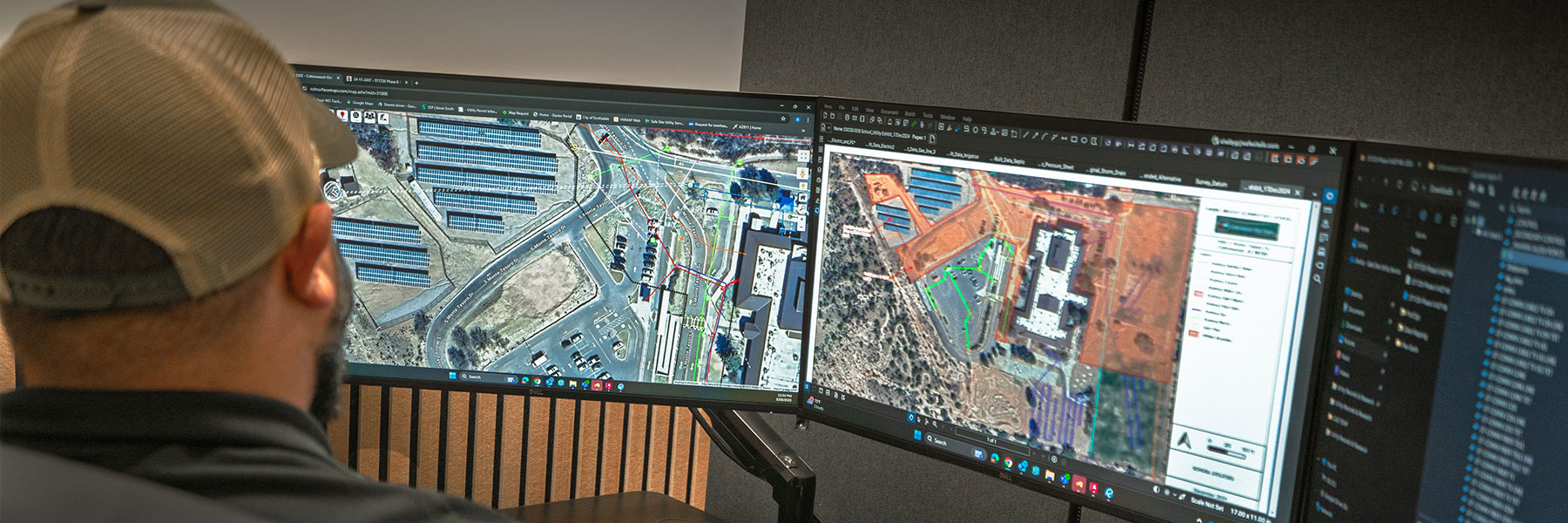
Subsurface Utility Investigation identifies, maps, and verifies the location of underground infrastructure before construction starts. Project teams use accurate underground information to plan excavation safely rather than relying on old or incomplete utility records. Since infrastructure can be repaired, relocated, or installed without updated documentation, the records alone aren’t always reliable. SUI fills this gap by combining multiple technologies and methods to confirm what lies below the surface.
Why SUI Is Important?
Common Risks of Unknown Utilities
Construction projects that ignore utility investigation risk significant problems. Striking a utility line can lead to expensive repairs, delays, environmental damage, and serious safety hazards. For example, damaging a gas pipeline can endanger workers and nearby residents, while cutting a fiber optic cable can disrupt communications for businesses and households.
SUI prevents these issues by providing accurate utility information before crews start digging. When teams know what’s underground, they can plan more confidently and reduce the likelihood of costly surprises.
Key benefits of SUI include:
- Lower risk of utility damage
- Fewer unexpected delays
- Better project planning
- Protection of critical infrastructure
- Improved cost control
These advantages make SUI a routine part of many construction project plans.
Step 1: Utility Locating
How Utility Locating Works
Utility locating is the first stage of investigation. Technicians use specialized equipment to detect and map underground utilities without disturbing the soil. Tools such as electromagnetic locators trace metallic lines, while ground‑penetrating radar detects non‑metallic utilities like plastic pipes and fiber optics. Technicians mark utility locations on the surface using paint or flags so crews can see where underground lines run.
Locating gives a valuable estimate of underground lines, but it doesn’t always show exact depth or position. Because of this, teams use additional methods to verify these locations.
Step 2: Hydrovac Daylighting
Vacuum Excavation Explained
Daylighting (also called potholing) lets teams expose utilities so they can confirm their exact location and depth.
Hydrovac excavation uses high‑pressure water to loosen soil, and a vacuum system removes the slurry. This non‑destructive method allows crews to dig precisely without risking buried infrastructure.
Hydrovac excavation lets engineers verify utility positions visually, measure depths, and adjust plans before major excavation begins.
Step 3: CCTV Pipe Inspection
When CCTV Pipe Inspection Is Used
Some SUI projects include inspecting existing pipelines. Workers insert specialized cameras into lines to survey internal conditions.
The cameras stream real‑time video so technicians can spot cracks, blockages, corrosion, or structural issues. Pipeline inspection helps teams decide whether lines need repair before construction proceeds.
Step 4: Line Jetting and Pipe Cleaning
Preparing Pipelines for Inspection
Before performing camera inspections or maintenance work, pipelines may need to be cleaned. This is where line jetting becomes an important part of the investigation process.
Hydro jetting uses high-pressure water to remove debris, sediment, grease, or other obstructions inside pipelines. Cleaning the pipes allows inspection cameras to capture clearer images and helps restore proper flow within the system.
Although line jetting is often associated with maintenance, it also plays a valuable role in subsurface utility investigation by preparing pipelines for detailed inspection. (Read our article).
How These Services Work Together
While each service plays an important role individually, the real value of subsurface utility investigation comes from combining them into a complete process.
- Utility locating provides the initial map of underground infrastructure.
- Hydrovac excavation then verifies those locations by safely exposing the utilities.
- After that, CCTV inspection and line jetting help evaluate the condition of underground pipelines.
Together, these methods create a clearer and more reliable understanding of what lies beneath the surface.
For contractors and engineers, this information is extremely valuable. It allows projects to move forward with fewer surprises and helps ensure that underground infrastructure remains safely protected throughout the construction process.
Improving Safety and Efficiency on Job Sites
Construction projects are becoming more complex, and the need for accurate underground data is growing. Cities are expanding, infrastructure networks are aging, and job sites often contain multiple utility systems installed over many decades.
Without proper investigation, crews risk serious issues during excavation in these environments. Subsurface Utility Investigation (SUI) gives teams the tools and information they need to reduce those risks.
SUI identifies utilities, verifies their location, and inspects their condition, helping contractors plan more effectively. As a result, teams create safer job sites, minimize delays, and deliver better outcomes for everyone involved.
The Future of Subsurface Utility Investigation
Advances in technology continue to improve how teams locate and investigate underground infrastructure. New equipment, improved scanning methods, and better data integration help project teams gain a more accurate picture of subsurface conditions.
As these technologies evolve, teams will continue to rely on subsurface utility investigation as a key part of responsible construction planning.
Contractors, engineers, and municipalities invest in proper utility investigation to protect infrastructure, control project costs, and keep construction projects running smoothly.
SUI: Know What’s Below Before You Build
Subsurface Utility Investigation (SUI) goes beyond basic locating, delivering a clear and accurate picture of underground utilities before construction begins.
At Safe Site, we combine advanced technology and proven methods to reduce risk, prevent costly surprises, and keep your project on track, so you can move forward with confidence.