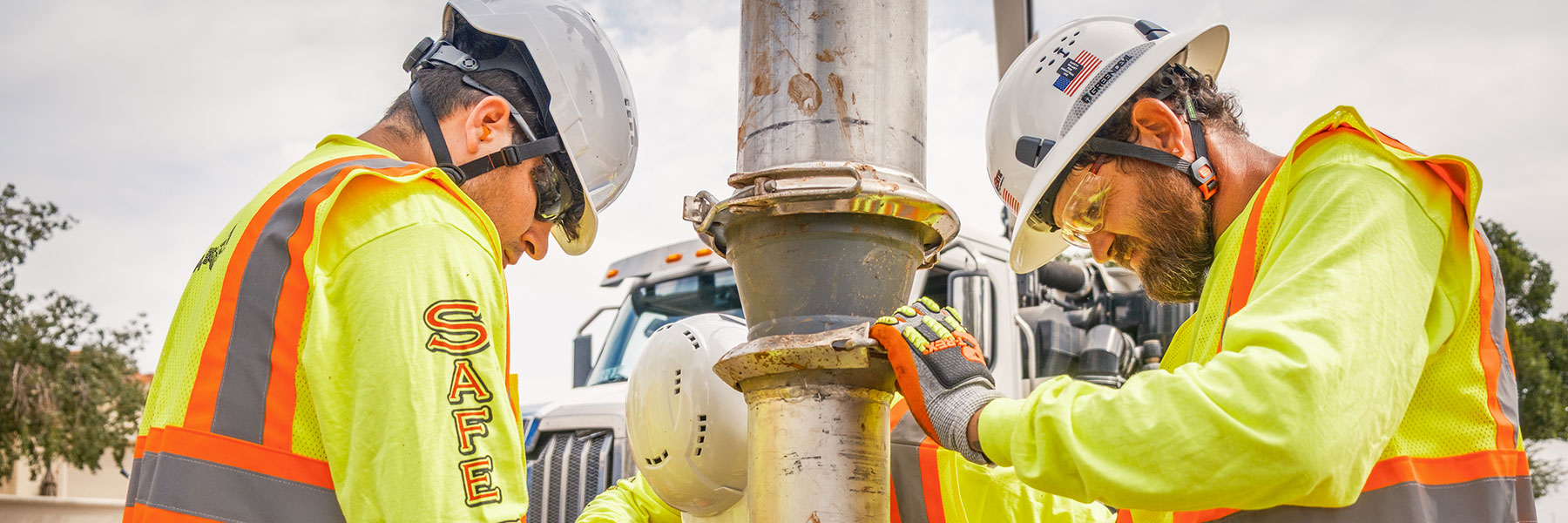
Excavation work plays a critical role in construction, but it also presents serious risks when not properly managed. Whether you’re preparing a residential site or working on a large commercial project, following proper excavation safety practices protects your crew, prevents costly delays, and ensures compliance with regulations.
In this guide, you’ll learn the essential excavation dos and don’ts, along with practical steps to improve safety, avoid utility damage, and keep your project on track.
Why Excavation Safety Is Critical on Every Job Site
Excavation remains one of the most hazardous activities in construction. Trench collapses, utility strikes, and equipment accidents can happen quickly and without warning. Even a small amount of soil can weigh thousands of pounds, making cave-ins extremely dangerous.
Because of these risks, contractors must prioritize excavation safety, proper planning, and accurate utility locating before breaking ground. By taking the right precautions, you not only protect workers but also reduce liability and avoid expensive project disruptions.
Pre-Excavation Safety Checklist
Before you start digging, you need a solid plan. Proper preparation reduces risks and ensures your site meets safety standards.
Follow this essential checklist:
- Trust Professional companies with certifications and established procedures
- Conduct a soil analysis to determine stability and classification
- Identify nearby structures that could be affected by excavation
- Plan equipment movement and safe access points
- Keep spoil piles at least 2 feet away from the trench edge
- Assign a competent person to oversee excavation safety
- Develop a clear emergency response plan
By completing these steps, you significantly lower the risk of accidents and improve overall job site efficiency.
Common Excavation Hazards to Watch For
Understanding the risks allows you to prevent them. The following hazards are the most common on excavation sites:
Cave-Ins and Trench Collapses
Cave-ins are the leading cause of fatalities in excavation work. Soil conditions can change quickly, especially after rain or heavy equipment movement. As a result, trenches can collapse without warning.
Utility Strikes
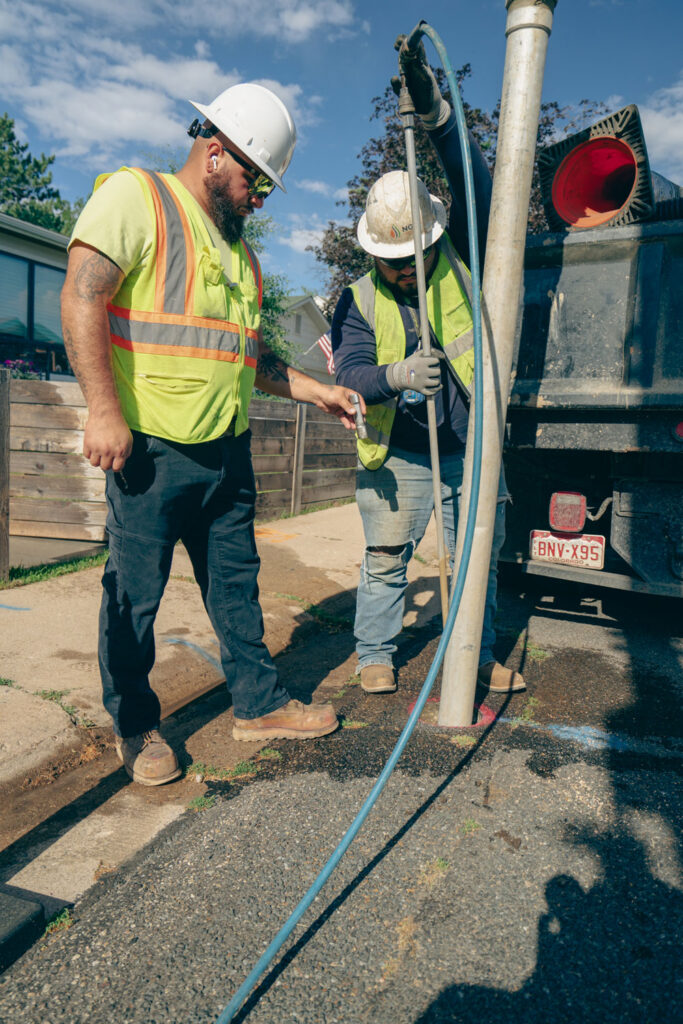
Failing to identify underground utilities can lead to severe consequences. Striking a gas or electric line can cause injuries, service outages, and costly repairs. Therefore, utility locating should always be a top priority
Falling Loads and Equipment Hazards
Heavy equipment operating near trench edges increases the risk of collapse. Additionally, falling materials can seriously injure workers below.
Hazardous Atmospheres
In deeper excavations, oxygen levels can drop while toxic gases build up. Consequently, workers may face serious health risks if air quality is not monitored.
Types of Excavation Protective Systems
To prevent trench collapses, you must use protective systems when required. These systems help stabilize the excavation and protect workers.
Sloping
Sloping involves cutting trench walls at an angle to prevent soil from collapsing. This method works well in stable soil conditions.
Shoring
Shoring uses supports such as hydraulic systems or timber to reinforce trench walls. It is especially useful in tighter spaces.
Shielding
Shielding involves placing trench boxes or shields within the excavation to protect workers in the event of a collapse.
Follow OSHA and Industry Standards
To maintain a safe job site, you must follow OSHA guidelines. These rules help prevent accidents and ensure compliance. Key requirements include:
- Provide safe access, such as ladders, in trenches deeper than 4 feet
- Keep spoil piles at least 2 feet from the edge
- Inspect excavations daily and after weather events
- Use protective systems for trenches deeper than 5 feet
- Never allow workers inside unprotected trenches
By following these standards, you reduce risks and maintain a safer work environment.
Excavation Do’s
DO:
- Do inspect trenches daily and after weather changes
- Do use proper protective systems when required
- Do keep heavy equipment away from trench edges
- Do ensure workers have safe entry and exit points
- Entrust only to certified companies.
Excavation Don’ts
DON't:
- Don’t start digging without verifying underground utilities
- Don’t allow workers in unprotected trenches
- Don’t place spoil piles too close to the edge
- Don’t ignore soil conditions or weather impacts
- Don’t operate equipment too close to excavation areas
Most importantly, always prioritize safety over speed. Taking shortcuts often leads to costly and dangerous consequences.
Emergency Procedures
Even with careful planning, accidents can happen during excavation. Having a clear emergency plan is essential to protect workers and minimize damage.
Immediate Response and Reporting
Your plan should include:
- Evacuation procedures for workers
- Emergency contact information
- Defined rescue protocols (only trained personnel should attempt rescues)
- First aid readiness and accessible equipment
By planning, you ensure your team can respond quickly and effectively in critical situations.

Need Help With Safe Excavation?
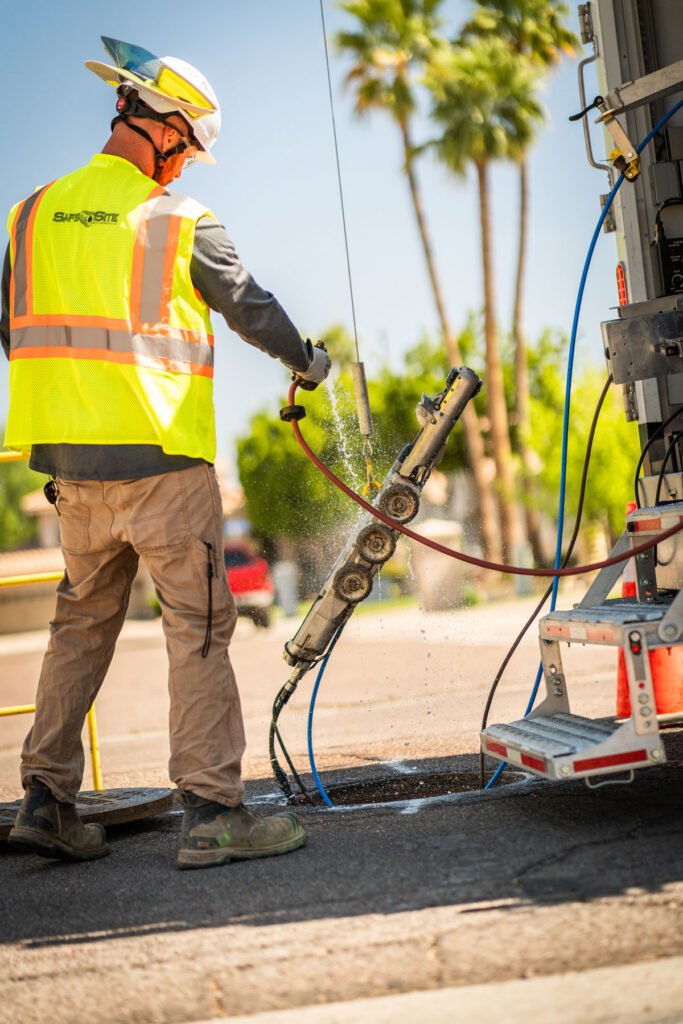
If you’re planning a project, don’t take risks with underground utilities or site safety. At Safe Site, we provide accurate utility locating and subsurface investigation services to help you avoid delays, reduce risk, and protect your team.
Contact us today to make your next excavation project safer, more efficient, and fully compliant.