Before you dig, it’s critical to know what’s buried underground. Calling 811 is required for most projects, but 811 doesn’t locate every line. Many underground utilities are privately owned and won’t be marked by the state one-call system. If these private lines aren’t identified before excavation, it can lead to utility damage, safety risks, costly repairs, and project delays. That’s why you need a private utility locating company.
What 811 Does and Doesn’t Cover
Calling 811 is free and often required by law before excavation. When you submit a locate ticket, public utility companies send locators to mark the underground utilities they own and maintain. The locators usually stop marking at the meter, main service connection, or property line. Once a utility extends onto private property, the property owner must manage it, since 811 does not cover it.
Where 811 Stops Marking Utilities
811 does not cover privately owned utilities. Any line that extends beyond the meter, service connection, or property boundary onto private property is considered private and will not be marked. This can include utilities serving detached garages, private lighting, irrigation systems, or other on-site infrastructure, which remain the property owner’s responsibility.
What Are Private Utilities?
Private utilities are underground lines that are owned by a homeowner, business, or property manager rather than a public utility provider. These utilities are extremely common and often undocumented, especially on older properties or sites that have been modified over time.
Common Examples of Private Utilities
Private utilities often include gas lines feeding pool heaters or generators, electrical lines serving detached garages or site lighting, private sewer laterals, irrigation systems, fire lines on commercial properties, and private communication or data lines.
Because these utilities are not registered with 811, they remain unmarked unless a private utility locator is hired to identify them.
Why Private Utility Locating Is Important
Even after you call 811, private utilities may go unmarked. Striking one of these lines can injure workers, disrupt service, trigger emergency repairs, and hold property owners or contractors liable. Hiring a private utility locator shows you the underground conditions clearly and helps you avoid costly mistakes, safety hazards, project delays, and unexpected repair bills.
Who Should Consider Private Utility Locating?
Private utility locating is not limited to large construction projects. It’s useful for anyone planning to dig, regardless of project size.
Homeowners
Home improvement projects such as fencing, decks, pools, landscaping, or outdoor kitchens often cross private utility lines that aren’t visible or documented.
Contractors and Excavators
For contractors, locating private utilities helps prevent job delays, costly damage claims, and safety incidents. Many professional standards and contracts require confirmation that private utilities have been addressed.
Property Managers and Commercial Sites
Multi-unit properties, campuses, and commercial sites often contain complex private utility networks. Accurate locating is essential before maintenance, upgrades, or redevelopment.
How Private Utility Locators Find Underground Lines
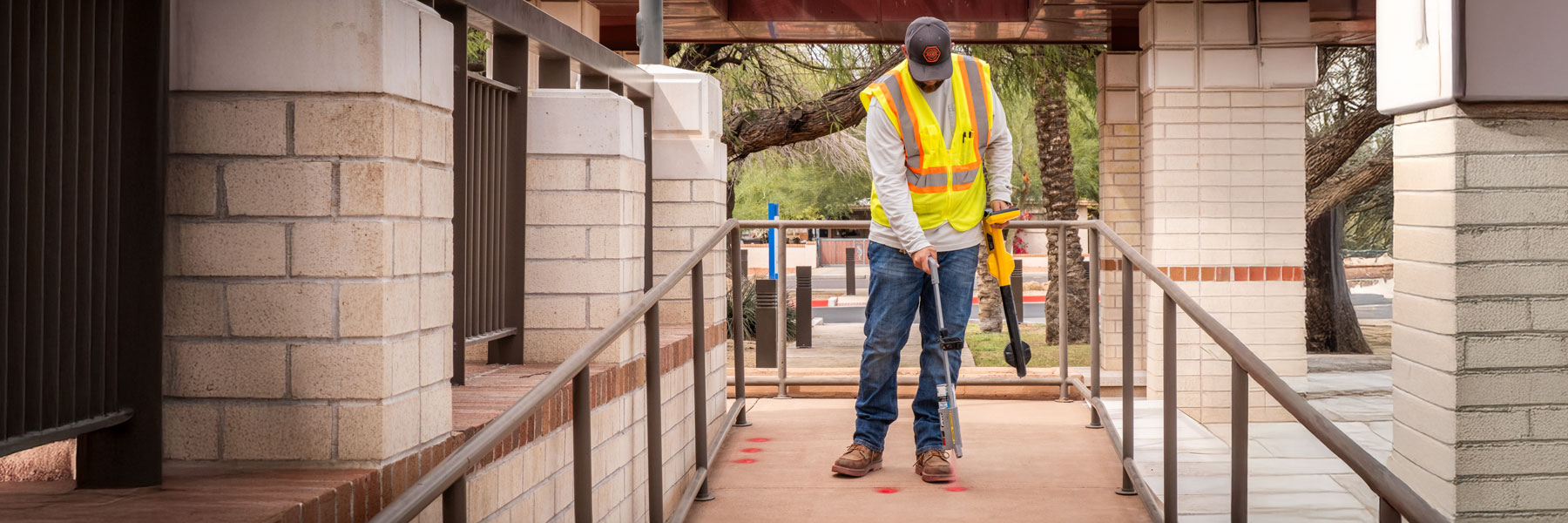
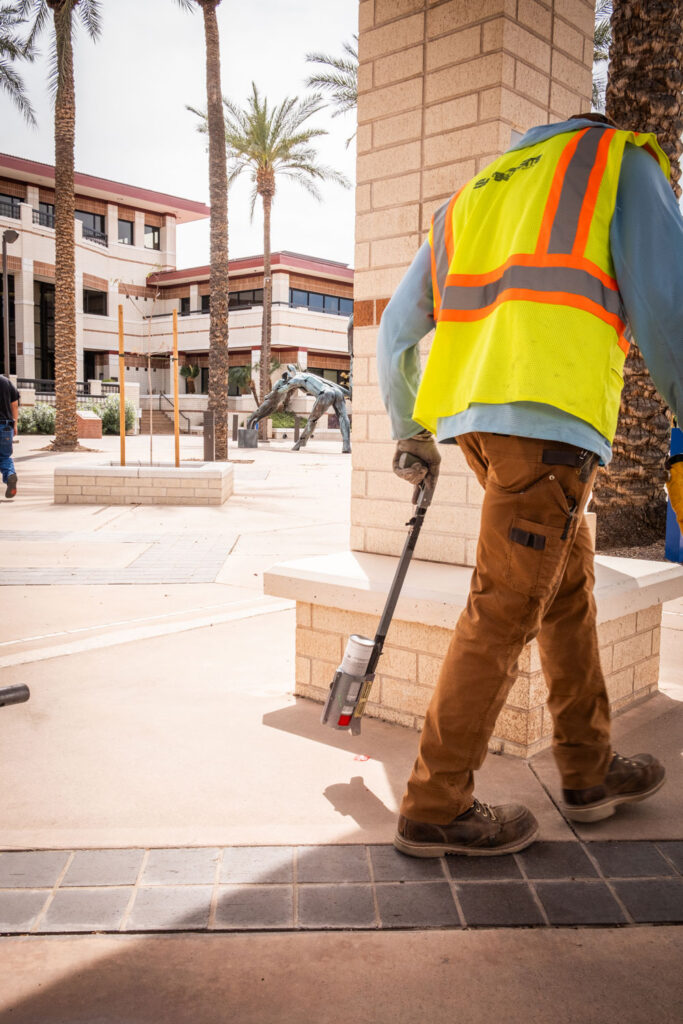
Professional locators use specialized equipment to detect underground lines. They trace conductive pipes or cables with electromagnetic tools, locate non-metallic lines like PVC or clay using ground-penetrating radar (GPR), and map paths beneath the surface with sondes or tracer devices. Combining multiple detection methods improves accuracy — especially when utility records are incomplete or unreliable.
A private utility locate is recommended whenever digging extends beyond the area marked by 811, near buildings or paved surfaces, or in areas where utility records are incomplete. When there is any uncertainty about what may lie underground, scheduling a private locate is the safest approach. The cost of locating is minimal compared to the potential expense of repairing a damaged line or dealing with project delays and liability issues.
When Is a Private Utility Locate Recommended?
A private utility locate should be considered whenever digging extends beyond the area marked by 811, near buildings or paved surfaces, or in areas where utility records are incomplete or unknown.
If there is any uncertainty about what may be underground, scheduling a private locate is the safest approach. The cost of locating is minimal compared to the cost of repairing a damaged utility or dealing with delays and liability.

Call 811, But Don’t Stop There
Calling 811 marks public utilities, but private lines — like irrigation, site lighting, and sewer laterals — aren’t included. Safe Site provides professional private utility locating to protect your project, crews, and property from costly strikes.
Dig Smart. Dig Safe.
Contact us!