Hitting a gas line is one of the most dangerous accidents that can occur during excavation. Although many people assume it rarely happens, gas line strikes arise thousands of times every year across the United States. In many cases, the damage happens during routine digging projects such as landscaping, fence installation, or construction work.
When a gas line is damaged, the consequences can range from minor service disruptions to serious safety hazards. Therefore, understanding what actually happens when a gas pipeline is hit can help homeowners, contractors, and communities recognize the risks of underground utility damage.
In this article, we explain what happens when a gas line is accidentally struck, why these incidents are so dangerous, and how they can affect surrounding neighborhoods and infrastructure.
What Happens the Moment a Gas Line Is Hit
When excavation equipment strikes a buried pipeline, the pipe can crack, be punctured, or rupture. As a result, pressurized gas begins escaping from the damaged section almost immediately.
Because natural gas travels through distribution pipelines under pressure, even a small puncture can release large volumes of gas into the surrounding soil and air. This gas then spreads through the ground, nearby utility trenches, and sometimes into buildings.
Most distribution systems carry Natural gas, which is highly flammable. Consequently, the escaping gas creates an extremely hazardous situation if it accumulates in enclosed areas or encounters an ignition source.
The Smell of Gas Usually Appears Quickly
Natural gas is naturally odorless. However, utility providers add a chemical odorant so people can detect leaks quickly. This additive produces the familiar “rotten egg” smell associated with gas leaks.
Therefore, when a gas line is hit, people nearby often notice a strong odor within minutes. The smell can travel through soil, storm drains, and underground conduits, which means it may appear far from the actual damage site.
In many cases, residents or workers report the smell before anyone even realizes a pipeline has been struck.
Gas Begins Escaping Into the Surrounding Area
Once the pipeline is damaged, gas continues escaping until the utility company isolates the affected section of pipe. During this time, the gas can spread through multiple pathways.
For example, gas may move through:
- soil and gravel surrounding the pipeline
- underground utility corridors
- sewer or drainage systems
- cracks in pavement or foundations
Because gas is lighter than air, it often rises toward the surface. As a result, you may see bubbling in puddles, dust blowing from the ground, or vegetation moving slightly near the leak.
Although these signs may seem subtle, they indicate that gas is actively escaping underground.
Emergency Services Often Respond Immediately
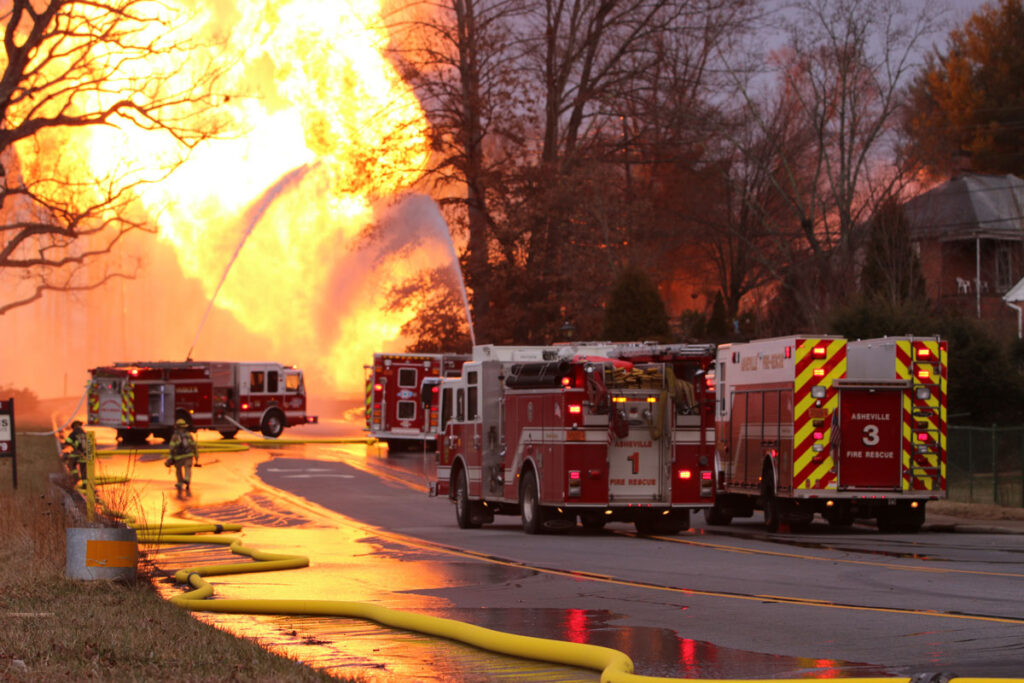
When a gas line strike is reported, emergency responders usually arrive quickly. Fire departments, utility crews, and sometimes police departments respond to secure the area and prevent ignition.
Safety agencies such as the Occupational Safety and Health Administration classify gas leaks as serious hazards because even a small spark can ignite the escaping gas.
Therefore, responders typically block off nearby streets and restrict access to the area while utility crews work to shut down the damaged line.
Nearby Buildings May Be Evacuated
If gas begins accumulating near homes or businesses, emergency crews may evacuate nearby structures as a precaution.
Gas can enter buildings through several paths, including basement cracks, utility conduits, sewer connections, and foundation openings. Once gas collects in enclosed spaces, the risk of ignition increases significantly. Even a small spark from electrical equipment, appliances, or static electricity could ignite the gas. Consequently, evacuation helps protect residents while utility crews control the leak.
Gas Line Damage Can Disrupt Entire Neighborhoods
Although a single damaged pipe may seem minor, it can affect a large number of people. When utility providers isolate a pipeline to stop a leak, they often shut off service to nearby buildings.
As a result, homes and businesses may temporarily lose gas service used for:
- heating systems
- water heaters
- cooking appliances
- industrial equipment
In some cases, restoring service requires technicians to visit each building individually to relight pilot lights and verify that appliances operate safely. Therefore, a single gas line strike can disrupt an entire neighborhood for hours or even days.
Ignition Can Lead to Fires or Explosions
In rare but serious situations, escaping gas may ignite, which can lead to a fire or explosion. Several common ignition sources can trigger this, including electrical sparks, vehicle engines, construction equipment, open flames, and even static electricity. When gas ignites directly at the location of the leak, it can create a visible flame known as a jet fire. However, if the gas builds up inside a building before it ignites, the result can be a powerful and dangerous explosion. Because of these significant risks, emergency responders always treat gas line strikes with extreme caution.
Utility Crews Work to Isolate and Repair the Line
After emergency responders secure the area, utility crews begin repairing the damaged pipeline.
First, technicians locate the closest valves in the gas distribution network. They then shut off the flow of gas to the affected section. Once the pressure drops and the leak stops, crews can safely excavate the pipe and repair or replace the damaged segment.
Modern gas distribution systems include thousands of valves that allow utilities to isolate sections quickly. However, accessing these valves can still take time depending on the network design.
Why Hydrovac Excavation Is the Safest Way to Expose a Gas Line
Even when technicians know the approximate location of a buried gas line, they still need a safe way to expose the pipe without damaging it. This is where hydrovac excavation becomes essential.
Hydro excavation uses pressurized water and a powerful vacuum system to remove soil without mechanical digging. Instead of using metal tools or heavy equipment that could strike the pipeline, operators carefully break up the soil with water while a vacuum hose removes the debris.
As a result, technicians can uncover underground utilities while minimizing the risk of damaging the pipe.
Hydrovac excavation is widely considered the safest method for daylighting underground utilities, especially gas pipelines carrying Natural gas. Because the process is precise and non-destructive, it allows crews to visually confirm the exact location of the pipeline before construction continues.
This method is especially useful when working in areas with complex underground infrastructure, such as busy streets, commercial developments, or utility corridors where multiple pipelines and cables run close together.
By combining professional utility locating with hydrovac excavation, construction teams can significantly reduce the risk of gas line strikes. First, locating technologies identify where the pipeline runs underground. Then, hydrovac excavation safely exposes the line so crews can work around it with confidence.
For this reason, many infrastructure projects rely on hydrovac excavation as a key step in preventing underground utility damage.
Why Gas Line Strikes Still Happen
Despite safety regulations and utility locating systems, gas line strikes still occur regularly.
Several factors contribute to these incidents:
- inaccurate or outdated utility records
- unmarked private utilities
- excavation without proper locating
- construction errors
- shallow or poorly documented pipelines
Because underground infrastructure often overlaps in complex networks, identifying every utility before excavation can be challenging.
This is why systems such as 811 Call Before You Dig exist. These programs help identify buried utilities before digging begins.
How Utility Locating Helps Prevent Gas Line Accidents
Many gas line strikes occur because underground utilities were not properly identified before excavation began. However, professional utility locating services significantly reduce this risk by mapping underground infrastructure before digging starts.
Companies like Safe Site specialize in locating buried utilities such as pipelines, electrical lines, water pipes, and communication cables before excavation to avoid strikes. Using advanced detection technologies, trained technicians identify the approximate location of these utilities so contractors can plan excavation safely.
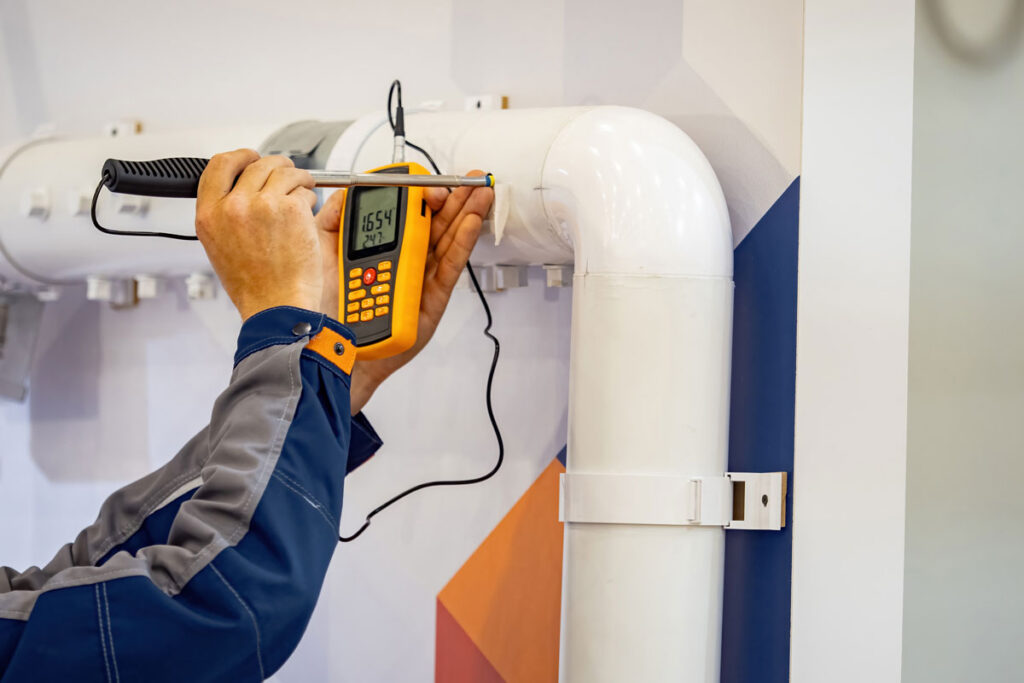
For example, professionals use tools such as electromagnetic locating equipment and technologies like ground-penetrating radar to detect underground infrastructure without digging. As a result, construction crews can clearly see where utilities are located before excavation begins.
By locating underground utilities in advance, companies help prevent dangerous incidents such as gas leaks, service outages, and costly project delays. In many cases, this proactive step is one of the most effective ways to protect workers, infrastructure, and nearby communities.
The Cost of Hitting a Gas Line
In addition to safety risks, damaging a gas line can be extremely expensive.
Costs may include:
- emergency response services
- utility repair work
- construction delays
- evacuation costs
- service restoration
Furthermore, contractors responsible for the damage may face fines or liability claims depending on the situation.
For large infrastructure projects, a single gas line strike can delay construction schedules and increase project costs significantly.
Why Preventing Gas Line Damage Matters
Modern cities rely on complex underground infrastructure systems. Gas pipelines supply energy to millions of homes and businesses every day. Consequently, protecting these pipelines is essential for public safety and reliable energy delivery.
Utility locating professionals play a key role in preventing excavation damage. By identifying underground utilities before digging begins, they help contractors work safely around buried infrastructure.
Technologies such as ground-penetrating radar and electromagnetic locating tools allow technicians to detect pipes and cables without excavation. These methods greatly reduce the risk of damaging critical utilities during construction.
Final Thoughts
Accidentally hitting a gas line can quickly create a dangerous situation. Within moments, gas may begin escaping into the surrounding area, spreading through soil and underground spaces. As a result, emergency responders often secure the site, evacuate nearby buildings, and shut down sections of the gas distribution network.
Although many incidents are resolved safely, the risks associated with gas leaks make prevention essential. Identifying underground utilities before excavation helps protect workers, communities, and critical infrastructure.
Understanding what happens during a gas line strike highlights why careful planning and professional utility locating are essential parts of any excavation or construction project.

Scan before you dig!
Professional utility locating services play a key role in preventing underground utility damage. By identifying gas lines and other buried infrastructure before excavation begins, companies like Safe Site help contractors work safely and avoid costly accidents.