Safe Site Continues to Expand Its Presence Across the United States
Across the country, infrastructure projects are reshaping communities, expanding utility networks, and supporting economic growth. From transportation improvements and energy developments to municipal upgrades and commercial construction, demand for accurate underground utility information continues to rise. As these projects grow, so does the need for experienced professionals who understand local conditions and can provide dependable […]
Utility Locating vs. Utility Mapping: What’s the Difference?
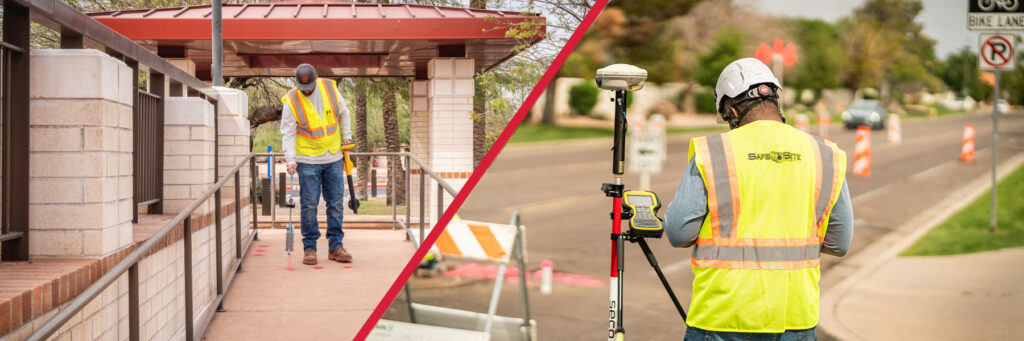
Before excavation starts, project teams need to know what is underground. However, finding a utility and documenting its location are not always the same thing. Utility locating helps identify where underground utilities are located in the field. Utility mapping takes that information a step further by documenting utility locations in a format that project teams […]
Yellow Utility Markings: What Do Yellow Flags and Paint Mean Before You Dig?
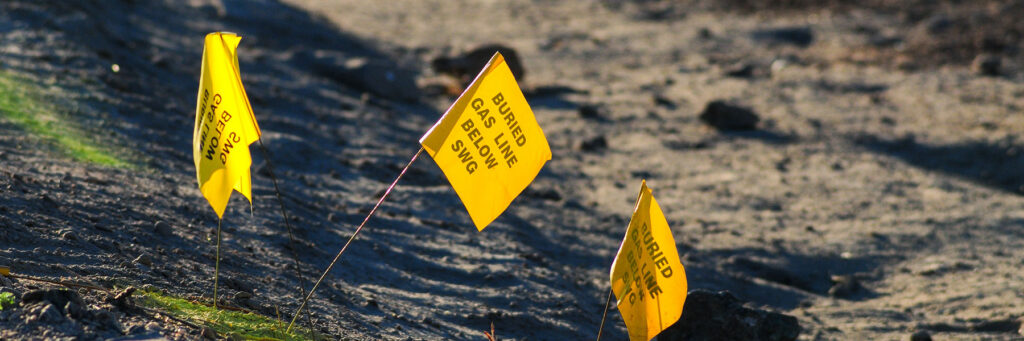
If you’ve ever noticed yellow paint, flags, or stakes on the ground near a construction project, you may have wondered what they represent. These bright yellow utility markings are more than just temporary paint; they indicate the location of underground gas, oil, steam, petroleum, or other gaseous materials that require extra caution during excavation. Whether […]
One Partner, Complete Underground Solutions: The Advantage of Safe Site’s Turnkey Service Approach
Construction and infrastructure projects are becoming increasingly complex. Before excavation begins, project teams often need utility locating, utility mapping, subsurface utility engineering (SUE), hydro excavation, concrete scanning, and verification services. Traditionally, these services are provided by multiple contractors, each with their own schedules, processes, and deliverables. Managing several specialty providers can create communication gaps, scheduling […]
What Do Red Utility Markings Mean? The Complete Guide to Red Utility Flags and Paint Markings
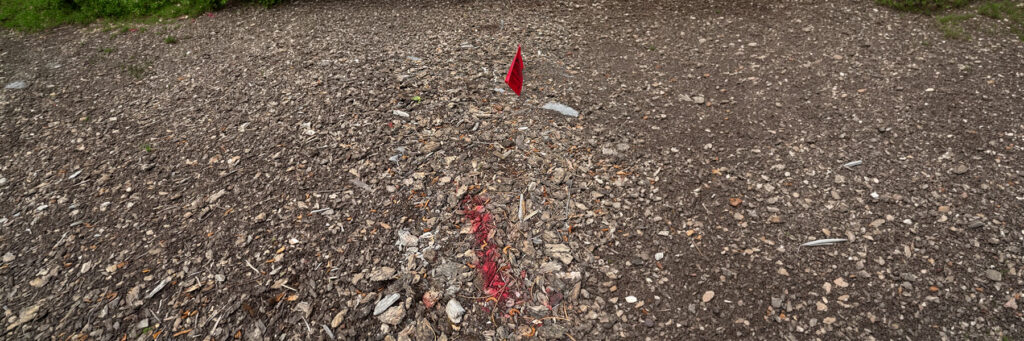
Understanding Red Utility Markings Before You Dig If you’ve ever seen red paint lines, red flags, or red symbols on the ground before a construction project, landscaping job, or excavation activity, you may have wondered what they mean. You may have noticed these markings along roadsides, on commercial properties, or even in your own front […]
Why Tennessee’s Karst and Variable Soil Conditions Make Traditional Utility Locating Risky

Tennessee’s underground environment is far more complex than many contractors expect. In fact, East and Middle Tennessee contain some of the most unpredictable subsurface conditions in the Southeast. Limestone bedrock, karst terrain, expansive clay, silt soils, and shifting groundwater conditions can all exist within the same project corridor. As a result, traditional utility locating methods […]
What Can a Utility Locator Find in Your Backyard? 811 vs. Private Utility Locating

Before you install a fence, build a deck, plant trees, or start any excavation project, you should know what’s buried beneath your property. Although underground utilities remain out of sight, they can significantly impact your project’s safety, timeline, and budget. A professional utility locator can identify many underground utilities and structures before digging begins. As […]
Essential Utility Locating Equipment: The Technology Behind Accurate Underground Detection
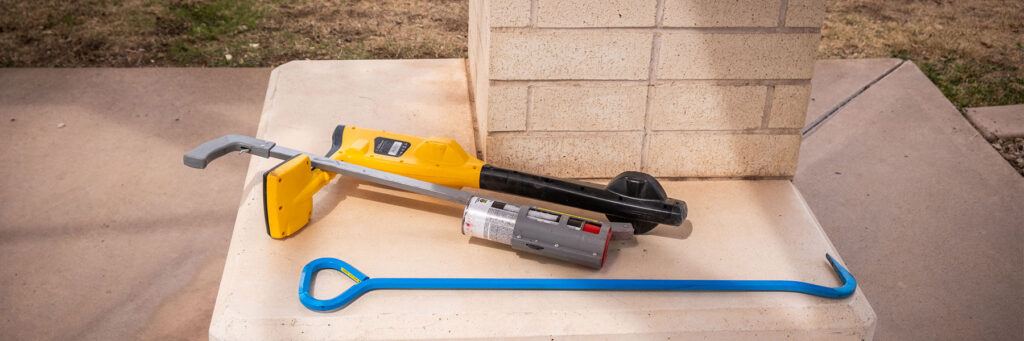
Before any excavation project begins, one question matters more than anything else: What is underground? From buried electrical lines and fiber optic cables to gas mains and water systems, underground utilities create a hidden infrastructure network that contractors must avoid at all costs. A single mistake can lead to service outages, expensive repairs, safety incidents, […]
Understanding SUE Levels A, B, C, and D
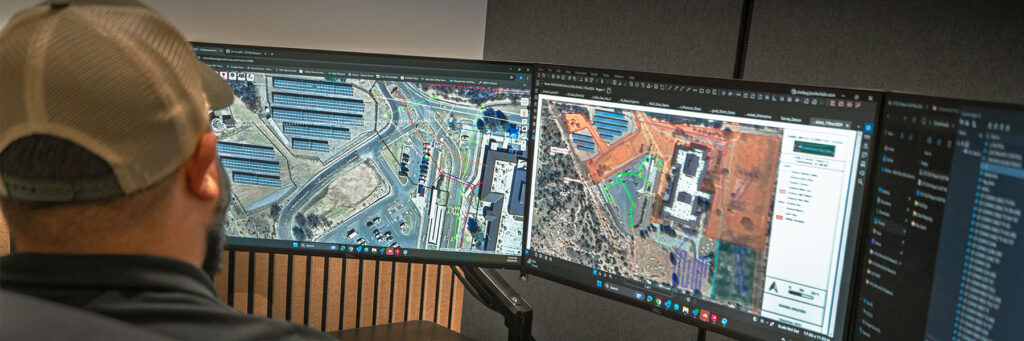
In every construction or infrastructure project, understanding what lies beneath the surface plays a critical role in project success. Whether you build roadways, expand utilities, or prepare foundations, unknown subsurface conditions can quickly cause costly redesigns, safety hazards, and project delays. Because of this, Subsurface Utility Engineering (SUE) has become essential for modern infrastructure planning. […]
Potholing vs. Slot Trenching: What’s the Difference and Which Method Is Best for Your Project?
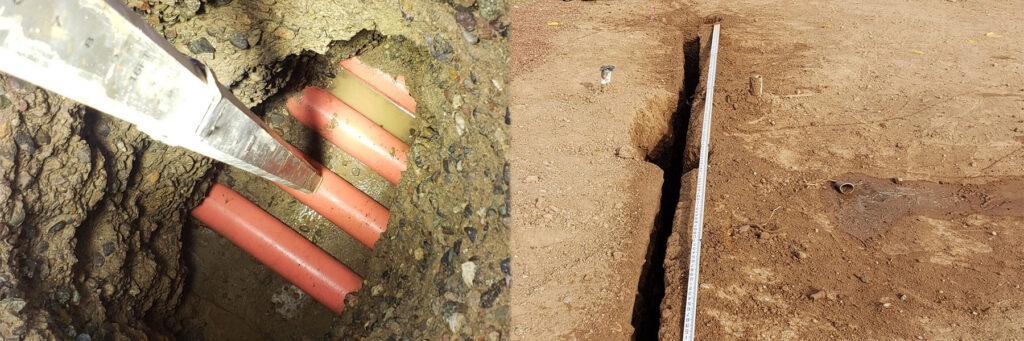
Digging blindly on a job site is a high-stakes gamble. Without precise utility verification, a single misplaced strike can instantly trigger compounding project delays, budget-draining repairs, and severe safety hazards for your crew and the surrounding community. To take the guesswork out of the equation, proactive contractors, engineers, and municipalities rely on advanced, non-destructive digging […]