
Yellow Utility Markings: What Do Yellow Flags and Paint Mean Before You Dig?

If you’ve ever noticed yellow paint, flags, or stakes on the ground near a construction project, you may have wondered what they represent. These bright yellow utility markings are more than just temporary paint; they indicate the location of underground gas, oil, steam, petroleum, or other gaseous materials that require extra caution during excavation. Whether […]
What Do Red Utility Markings Mean? The Complete Guide to Red Utility Flags and Paint Markings

Understanding Red Utility Markings Before You Dig If you’ve ever seen red paint lines, red flags, or red symbols on the ground before a construction project, landscaping job, or excavation activity, you may have wondered what they mean. You may have noticed these markings along roadsides, on commercial properties, or even in your own front […]
What Can a Utility Locator Find in Your Backyard? 811 vs. Private Utility Locating

Before you install a fence, build a deck, plant trees, or start any excavation project, you should know what’s buried beneath your property. Although underground utilities remain out of sight, they can significantly impact your project’s safety, timeline, and budget. A professional utility locator can identify many underground utilities and structures before digging begins. As […]
Essential Utility Locating Equipment: The Technology Behind Accurate Underground Detection
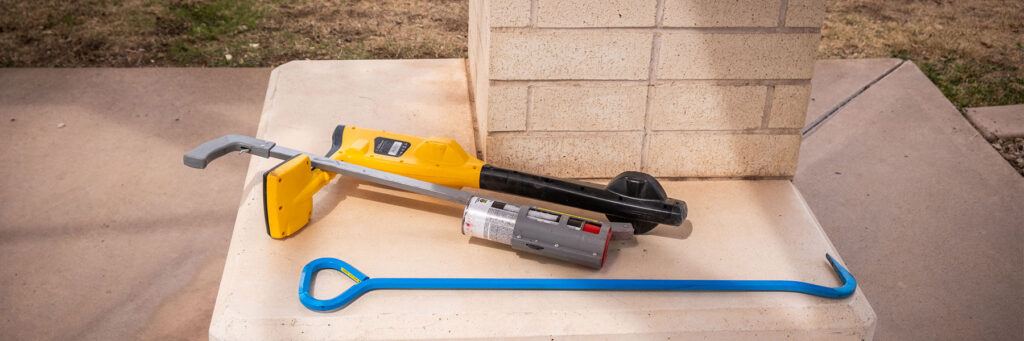
Before any excavation project begins, one question matters more than anything else: What is underground? From buried electrical lines and fiber optic cables to gas mains and water systems, underground utilities create a hidden infrastructure network that contractors must avoid at all costs. A single mistake can lead to service outages, expensive repairs, safety incidents, […]
What Does the Blue Utility Marking Color Mean?
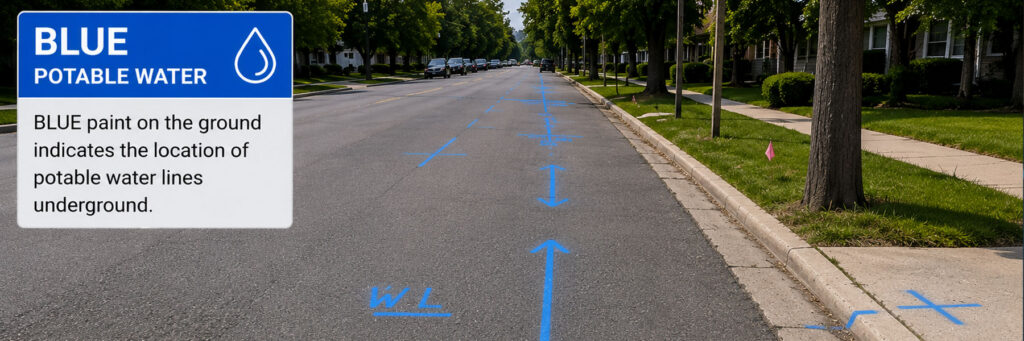
If you’ve ever seen blue spray paint or blue utility flags on a job site while walking around or in a neighborhood or while you’re driving, you may have wondered what it means. In the utility locating industry, every color has a purpose. Blue markings specifically identify potable water lines, also known as drinking water […]
How Deep Are Gas and Utility Lines Buried?
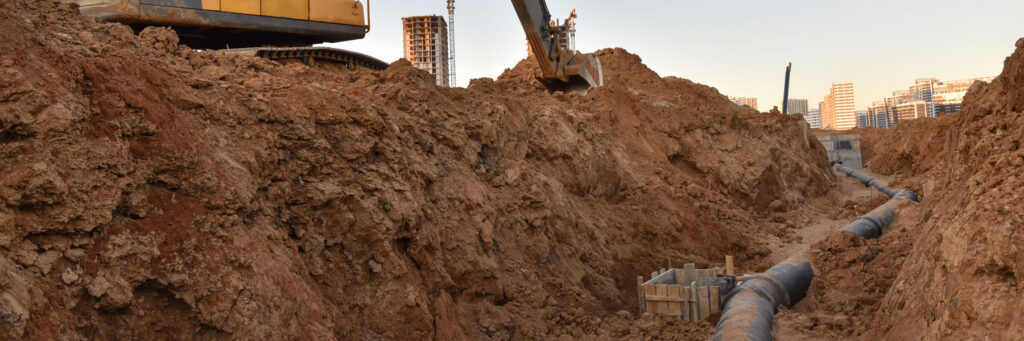
In most U.S. cities, such as Denver, Austin, Charlotte, and Colorado Springs, utility lines are typically buried at the following depths: Gas lines: 1.5 to 3 feet (18–36 inches) for residential lines, and up to 4 to 6 feet for transmission lines Electric lines: 1.5 to 4 feet, depending on voltage and installation type Water […]
What Happens If You Accidentally Hit a Gas Line?
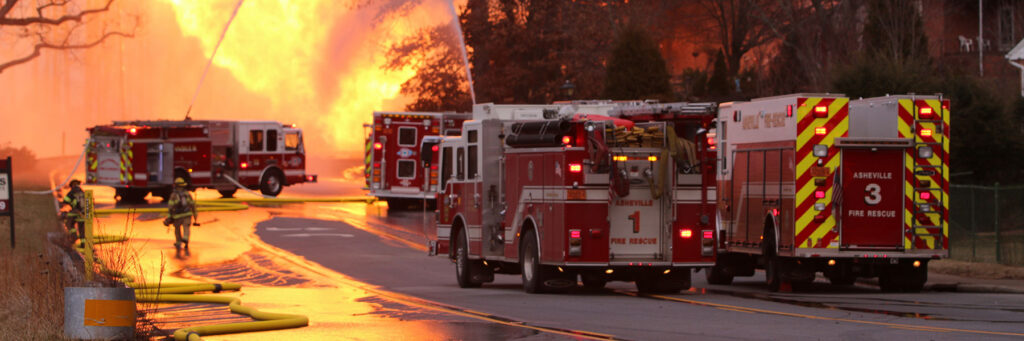
Hitting a gas line is one of the most dangerous accidents that can occur during excavation. Although many people assume it rarely happens, gas line strikes arise thousands of times every year across the United States. In many cases, the damage happens during routine digging projects such as landscaping, fence installation, or construction work. When […]
Private Utilities Location vs 811 State One-Call: What You Need to Know Before You Dig

Before you dig, it’s critical to know what’s buried underground. Calling 811 is required for most projects, but 811 doesn’t locate every line. Many underground utilities are privately owned and won’t be marked by the state one-call system. If these private lines aren’t identified before excavation, it can lead to utility damage, safety risks, costly […]
What do the Utility Marking Colors Mean?

Before any shovel hits the ground, there is an entire world of critical infrastructure hidden beneath our feet. Water lines, gas pipes, electrical conduits, fiber‑optic cables, and sewer systems all coexist underground, often within just a few feet of each other. To prevent accidents, service interruptions, injuries, and costly repairs, the construction and utility industries […]
Cable Fault Location: Prevent Downtime and Costly Repairs

Cable fault location helps teams identify underground cable failures, preventing costly downtime and repairs. When underground cables fail, the consequences often extend well beyond the damaged line itself. Power outages, communication disruptions, emergency repairs, and project delays can quickly drive up costs. In many cases, the most costly problem is often not the repair itself […]