What Can a Utility Locator Find in Your Backyard? 811 vs. Private Utility Locating
Before you install a fence, build a deck, plant trees, or start any excavation project, you should know what’s buried beneath your property. Although underground...
Read More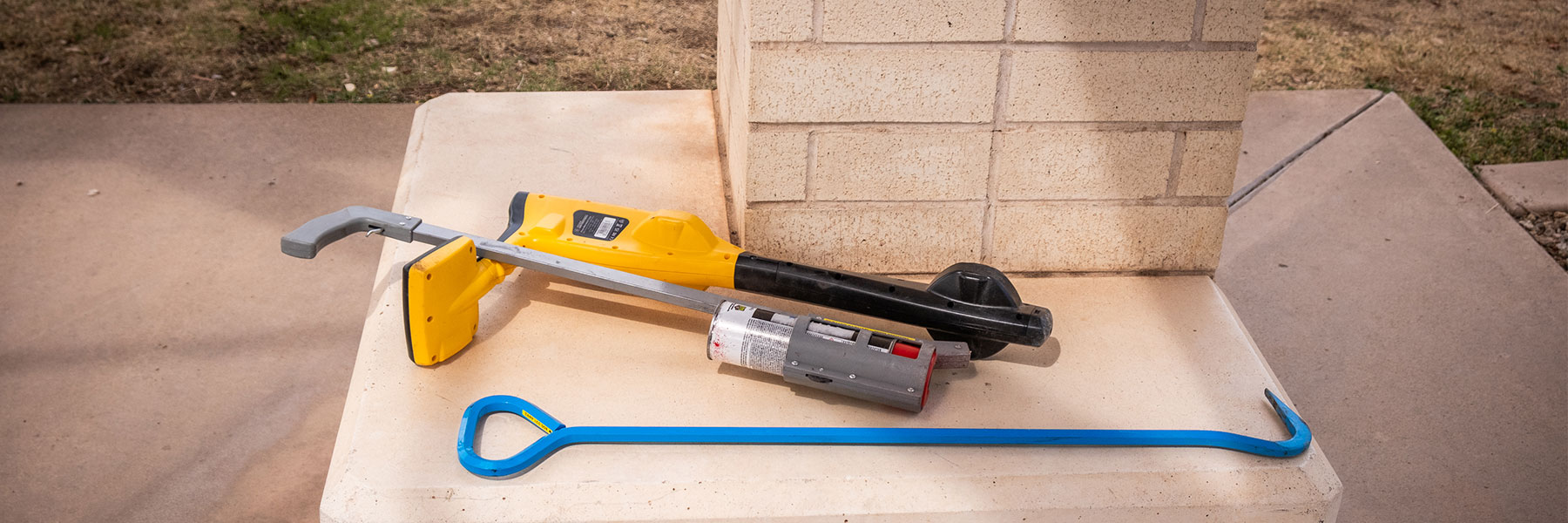
Essential Utility Locating Equipment: The Technology Behind Accurate Underground Detection
Before any excavation project begins, one question matters more than anything else: What is underground? From buried electrical lines and fiber optic cables to gas...
Read More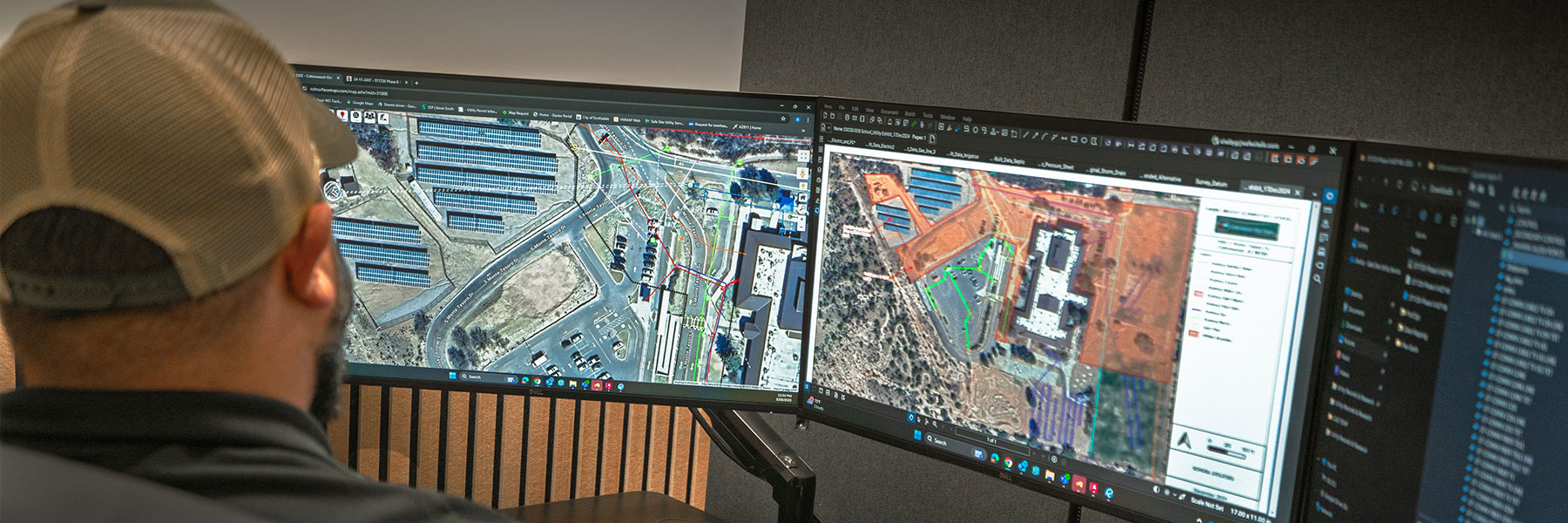
Understanding SUE Levels A, B, C, and D
In every construction or infrastructure project, understanding what lies beneath the surface plays a critical role in project success. Whether you build roadways, expand utilities,...
Read More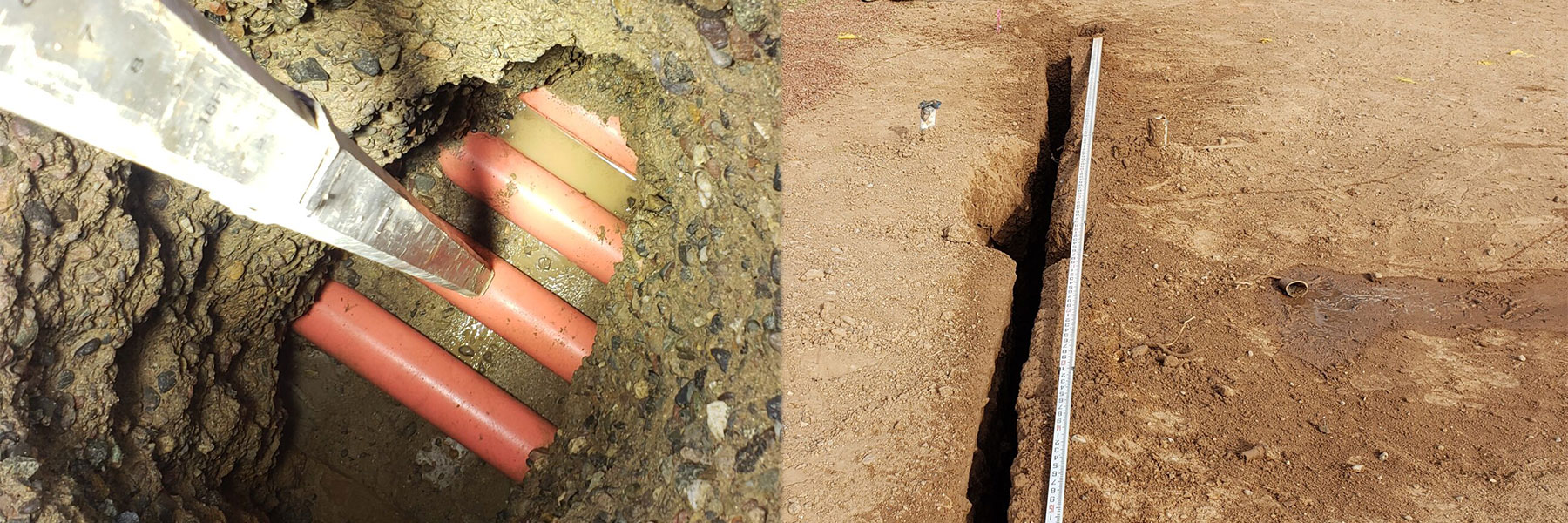
Potholing vs. Slot Trenching: What’s the Difference and Which Method Is Best for Your Project?
Digging blindly on a job site is a high-stakes gamble. Without precise utility verification, a single misplaced strike can instantly trigger compounding project delays, budget-draining...
Read More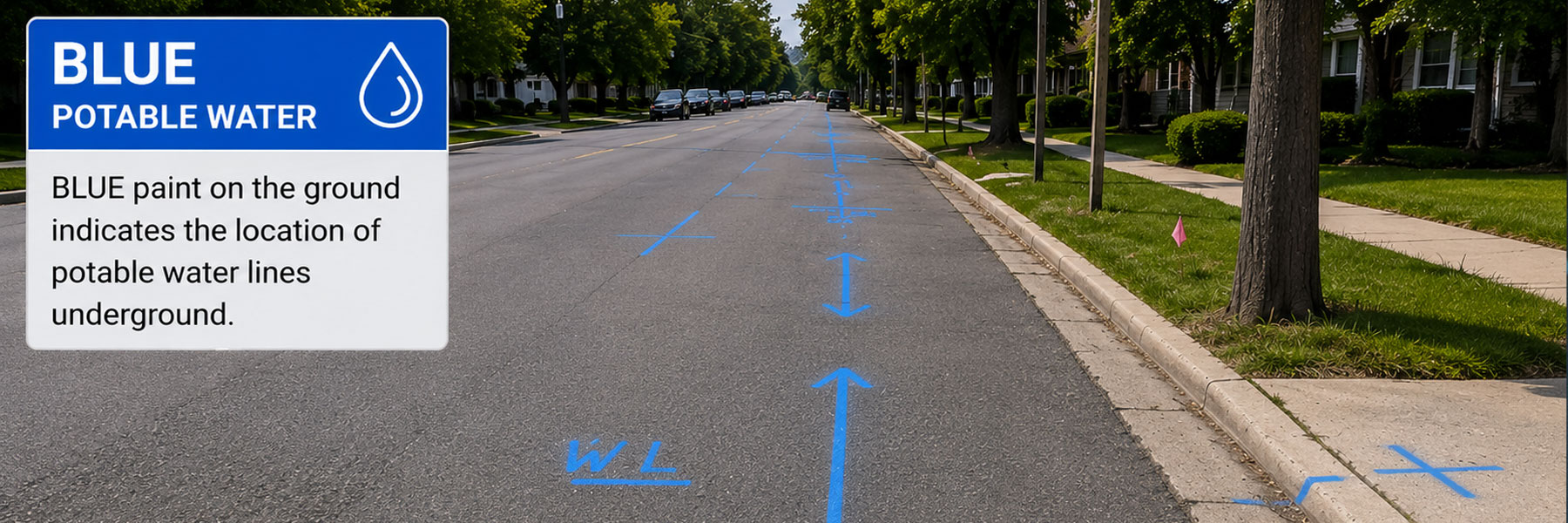
What Does the Blue Utility Marking Color Mean?
If you’ve ever seen blue spray paint or blue utility flags on a job site while walking around or in a neighborhood or while you’re...
Read More
Safe Site Expands Nationwide Through Partnership with NG Companies and TUD
Safe Site is proud to announce a strategic partnership with NG Companies. This collaboration represents a major step forward in our growth and service expansion....
Read More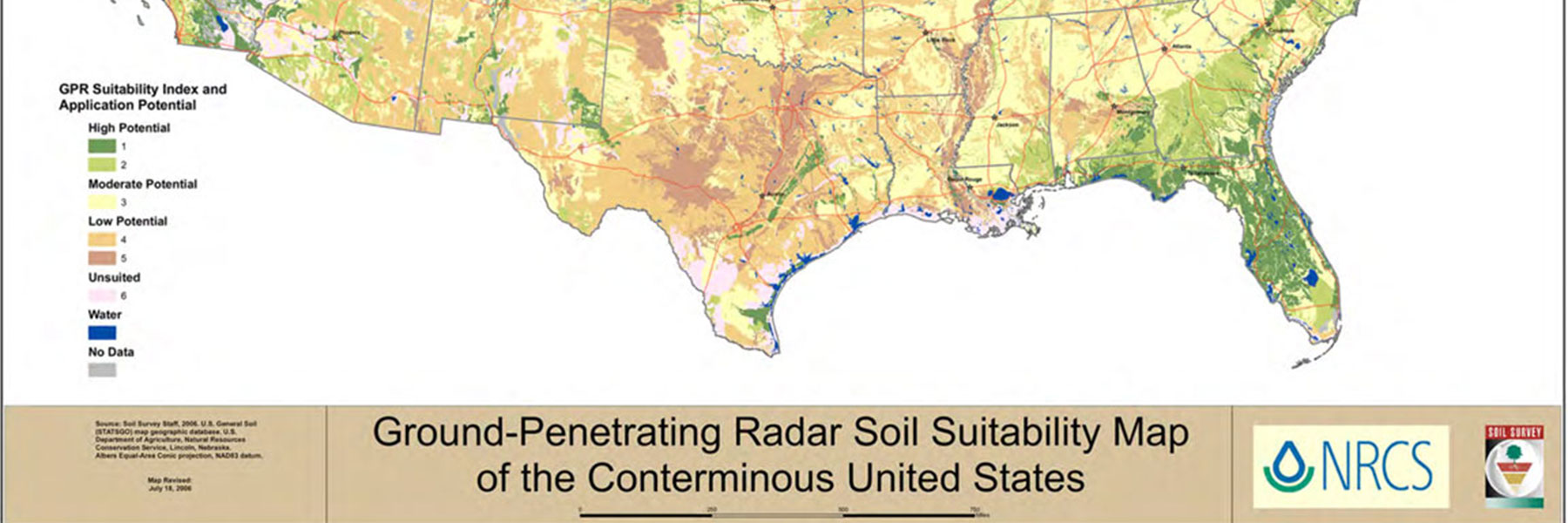
How Ground Penetrating Radar Works Across U.S. Soil Conditions
Quick summary for busy readers GPR performs best in low‑conductivity, dry, and homogeneous soils such as dry sands, gravels, and frozen ground. It struggles in high‑conductivity, clay‑rich, saline,...
Read More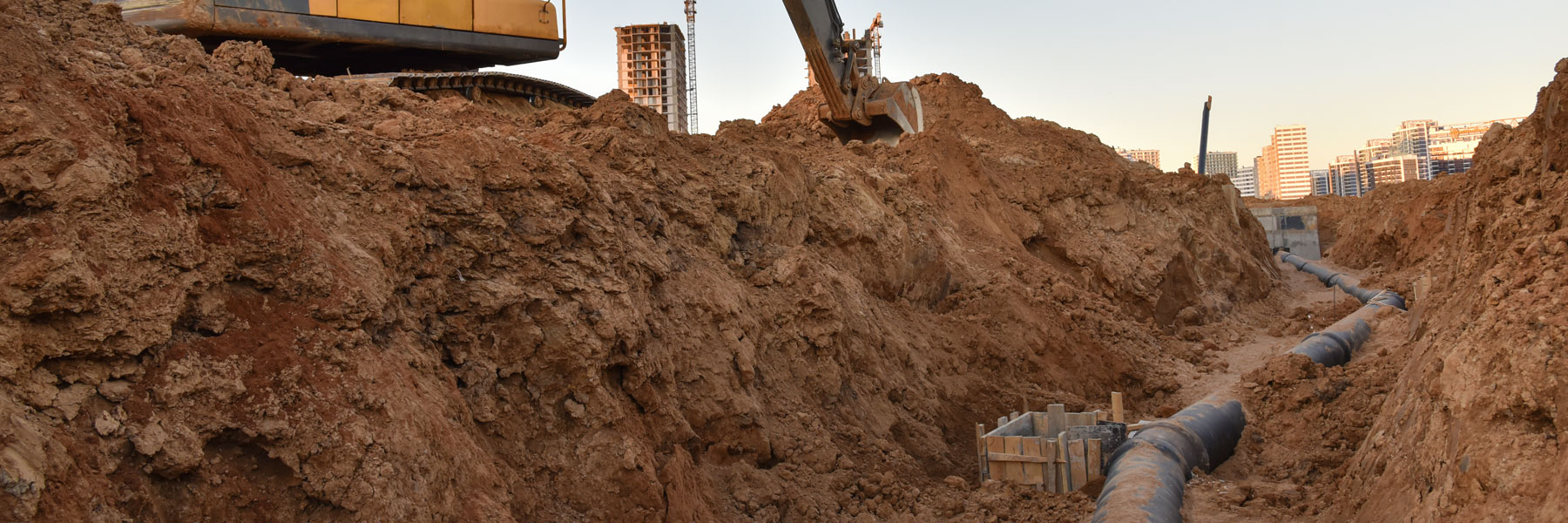
How Deep Are Gas and Utility Lines Buried?
In most U.S. cities, such as Denver, Austin, Charlotte, and Colorado Springs, utility lines are typically buried at the following depths: Gas lines: 1.5 to...
Read MoreThe Complete Guide to Subsurface Utility Investigation (SUI)
Before excavation or construction, knowing what lies underground is crucial. Gas lines, water pipes, fiber optics, and electrical conduits support modern communities but can cause...
Read More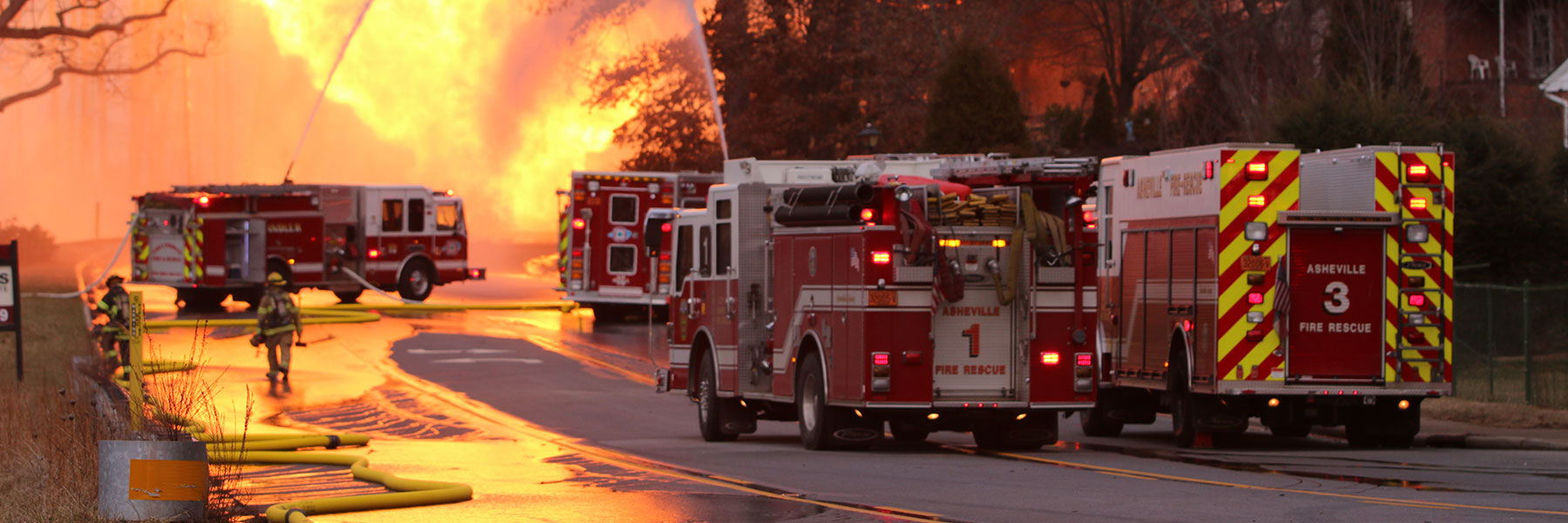
What Happens If You Accidentally Hit a Gas Line?
Hitting a gas line is one of the most dangerous accidents that can occur during excavation. Although many people assume it rarely happens, gas line...
Read MoreWhat Can a Utility Locator Find in Your Backyard? 811 vs. Private Utility Locating
Before you install a fence, build a deck, plant trees, or start any excavation project, you should know what’s buried beneath your property. Although underground...
Read MoreEssential Utility Locating Equipment: The Technology Behind Accurate Underground Detection
Before any excavation project begins, one question matters more than anything else: What is underground? From buried electrical lines and fiber optic cables to gas...
Read MoreWhat Does the Blue Utility Marking Color Mean?
If you’ve ever seen blue spray paint or blue utility flags on a job site while walking around or in a neighborhood or while you’re...
Read MoreHow Deep Are Gas and Utility Lines Buried?
In most U.S. cities, such as Denver, Austin, Charlotte, and Colorado Springs, utility lines are typically buried at the following depths: Gas lines: 1.5 to...
Read MoreWhat Happens If You Accidentally Hit a Gas Line?
Hitting a gas line is one of the most dangerous accidents that can occur during excavation. Although many people assume it rarely happens, gas line...
Read More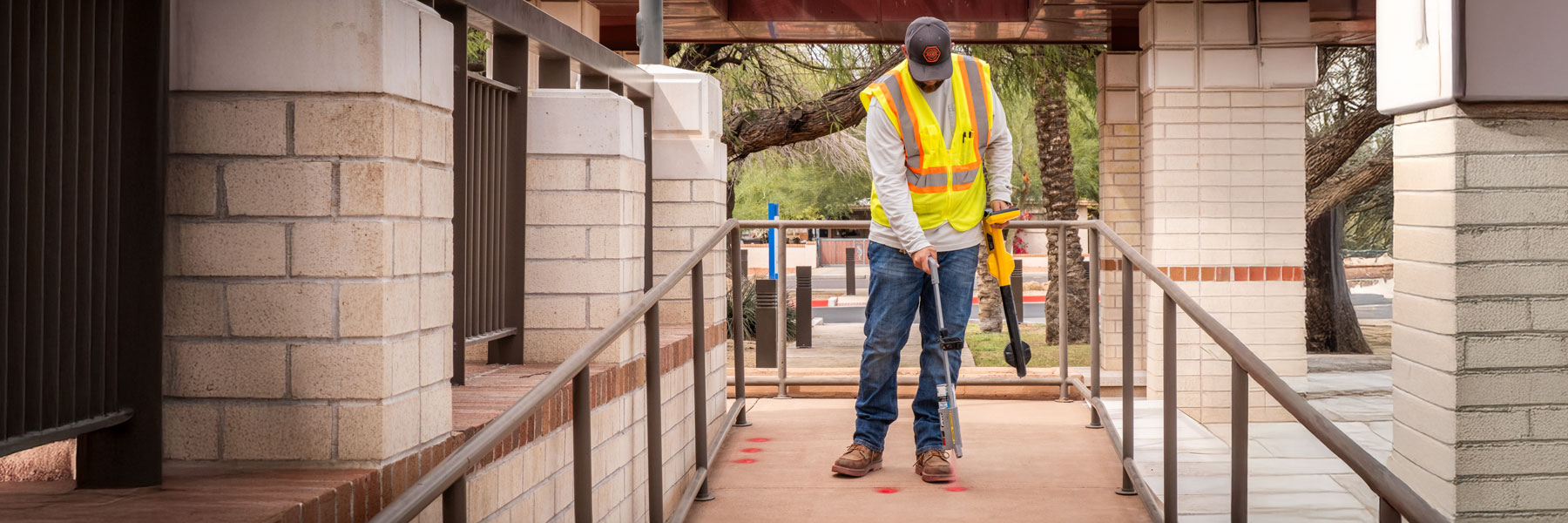
Private Utilities Location vs 811 State One-Call: What You Need to Know Before You Dig
Before you dig, it’s critical to know what’s buried underground. Calling 811 is required for most projects, but 811 doesn’t locate every line. Many underground...
Read More
What do the Utility Marking Colors Mean?
Before any shovel hits the ground, there is an entire world of critical infrastructure hidden beneath our feet. Water lines, gas pipes, electrical conduits, fiber‑optic...
Read More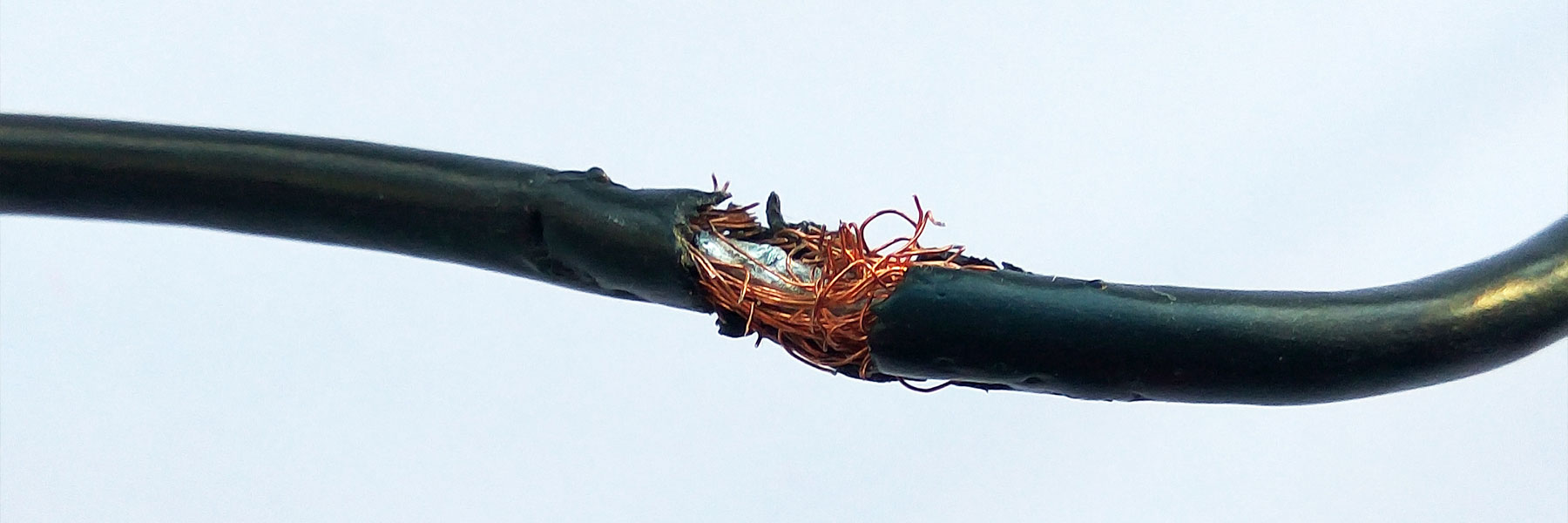
Cable Fault Location: Prevent Downtime and Costly Repairs
Cable fault location helps teams identify underground cable failures, preventing costly downtime and repairs. When underground cables fail, the consequences often extend well beyond the...
Read MorePotholing vs. Slot Trenching: What’s the Difference and Which Method Is Best for Your Project?
Digging blindly on a job site is a high-stakes gamble. Without precise utility verification, a single misplaced strike can instantly trigger compounding project delays, budget-draining...
Read More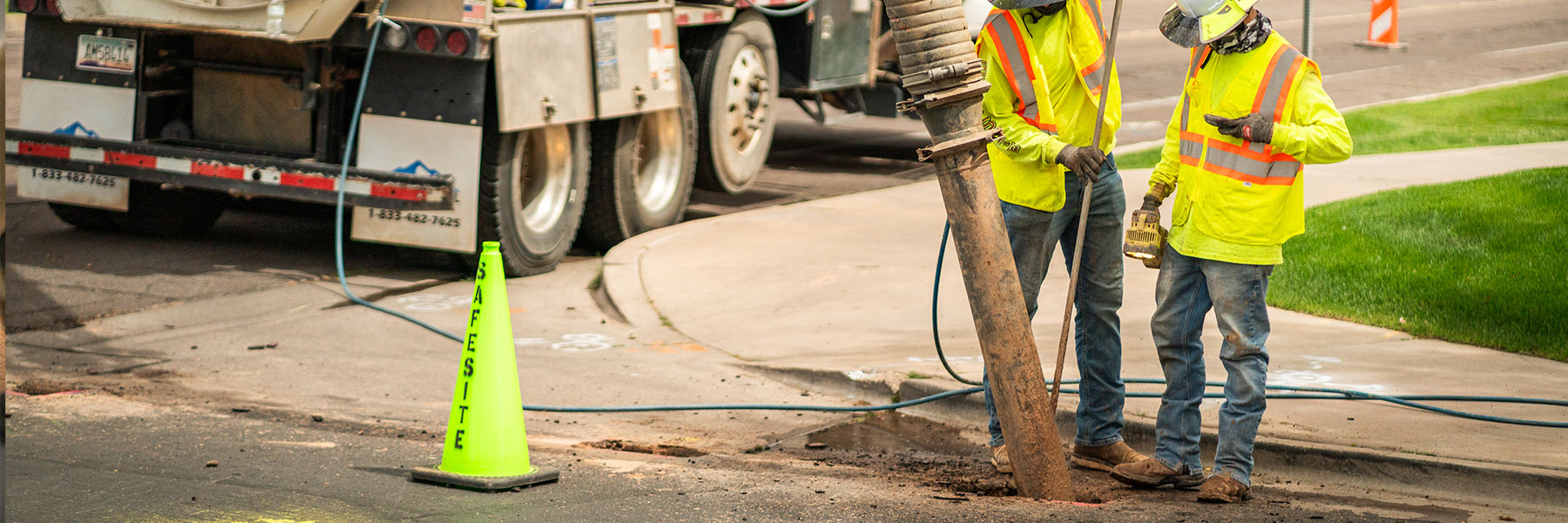
Hydro Excavation vs. Air Excavation: What’s the Difference and Which One Should You Choose?
If you’ve been searching for terms like “hydro excavation vs vacuum excavation,” “hydrovac excavation near me,” or “safe digging around utilities,” you’re likely trying to...
Read More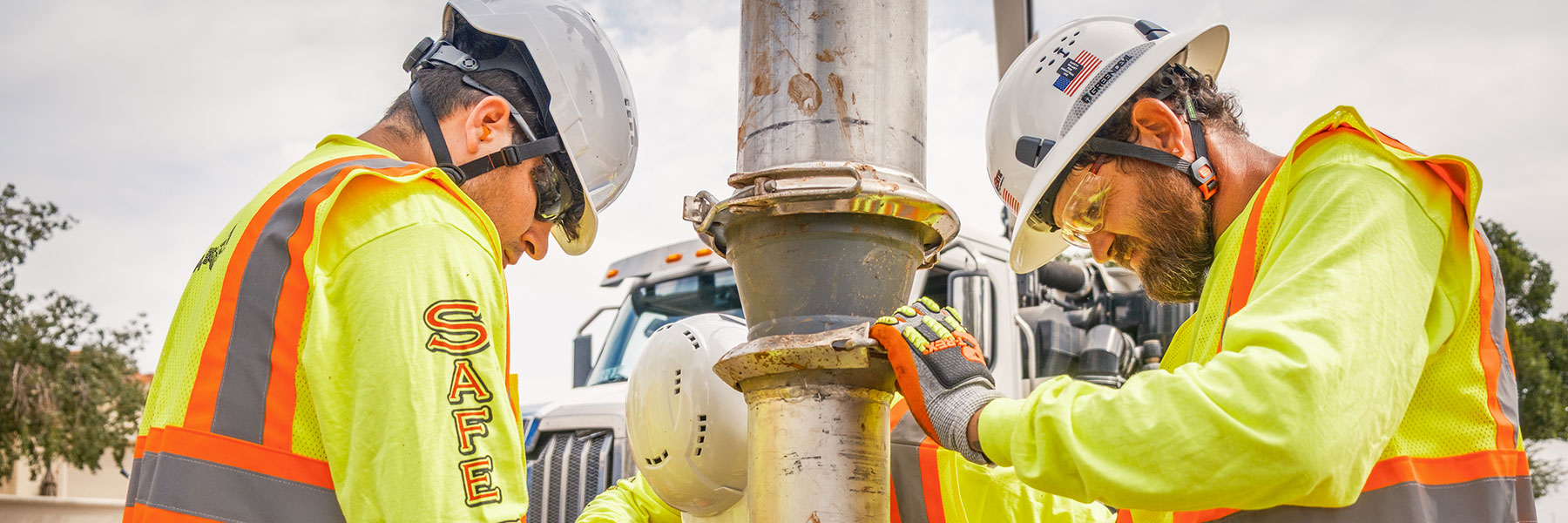
Excavation Do’s and Don’ts: Complete Safety Guide for Your Site
Excavation work plays a critical role in construction, but it also presents serious risks when not properly managed. Whether you’re preparing a residential site or...
Read More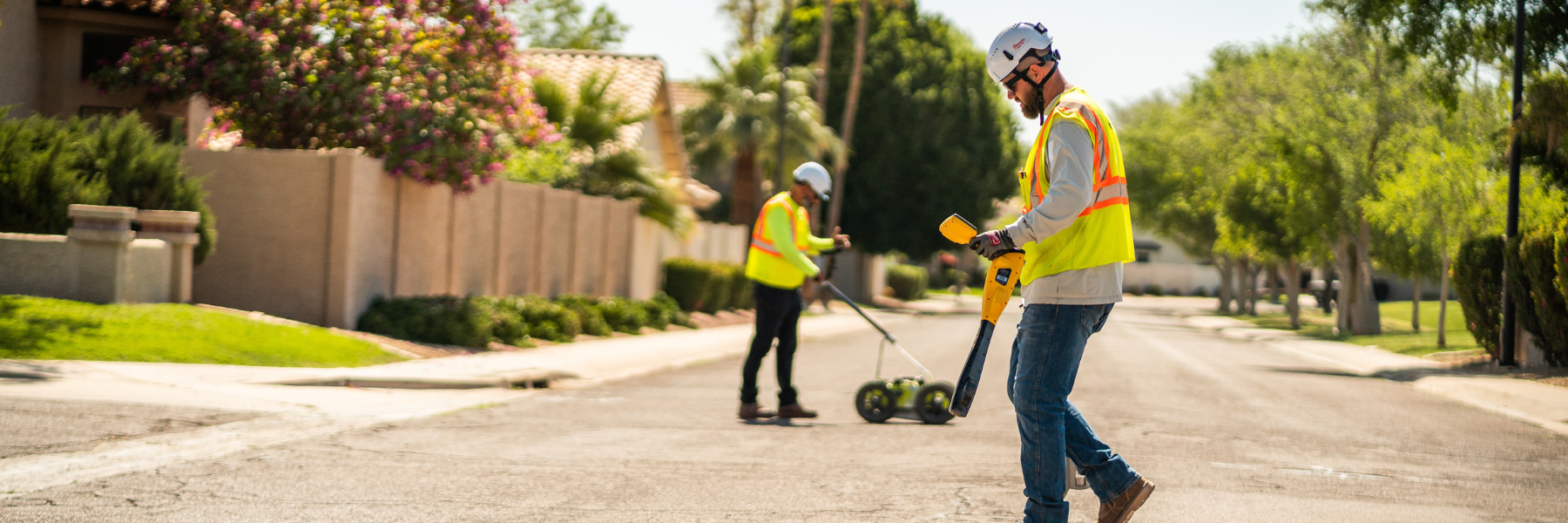
Excavation Safety: 5 Common Mistakes To Avoid
Excavation work is one of the highest risk activities on any job site. Even small errors can result in utility strikes, trench failures, unexpected delays,...
Read MoreEssential Utility Locating Equipment: The Technology Behind Accurate Underground Detection
Before any excavation project begins, one question matters more than anything else: What is underground? From buried electrical lines and fiber optic cables to gas...
Read MoreWhat Does the Blue Utility Marking Color Mean?
If you’ve ever seen blue spray paint or blue utility flags on a job site while walking around or in a neighborhood or while you’re...
Read MoreHow Deep Are Gas and Utility Lines Buried?
In most U.S. cities, such as Denver, Austin, Charlotte, and Colorado Springs, utility lines are typically buried at the following depths: Gas lines: 1.5 to...
Read MoreWhat do the Utility Marking Colors Mean?
Before any shovel hits the ground, there is an entire world of critical infrastructure hidden beneath our feet. Water lines, gas pipes, electrical conduits, fiber‑optic...
Read MoreCable Fault Location: Prevent Downtime and Costly Repairs
Cable fault location helps teams identify underground cable failures, preventing costly downtime and repairs. When underground cables fail, the consequences often extend well beyond the...
Read MoreHow Ground Penetrating Radar Works Across U.S. Soil Conditions
Quick summary for busy readers GPR performs best in low‑conductivity, dry, and homogeneous soils such as dry sands, gravels, and frozen ground. It struggles in high‑conductivity, clay‑rich, saline,...
Read More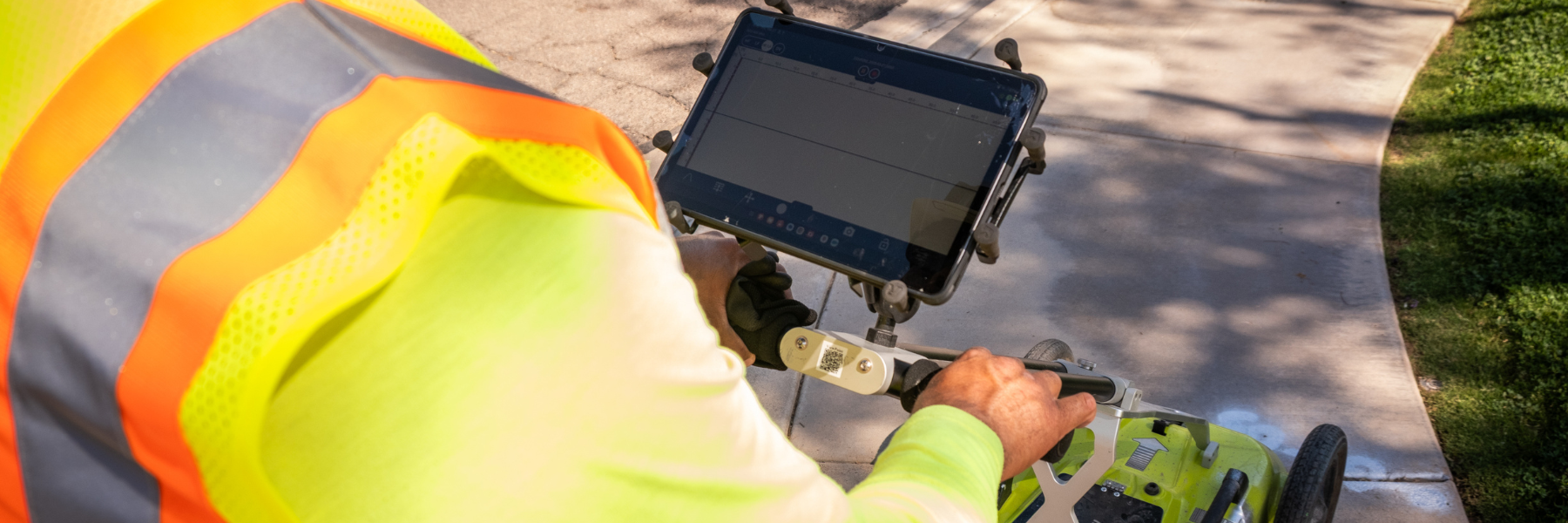
Ground Penetrating Radar Services: Smarter Project Planning
Ground Penetrating Radar services play a critical role in smarter project planning by giving teams clear visibility into subsurface conditions before excavation begins. Although planning...
Read MoreUnderstanding SUE Levels A, B, C, and D
In every construction or infrastructure project, understanding what lies beneath the surface plays a critical role in project success. Whether you build roadways, expand utilities,...
Read MoreThe Complete Guide to Subsurface Utility Investigation (SUI)
Before excavation or construction, knowing what lies underground is crucial. Gas lines, water pipes, fiber optics, and electrical conduits support modern communities but can cause...
Read More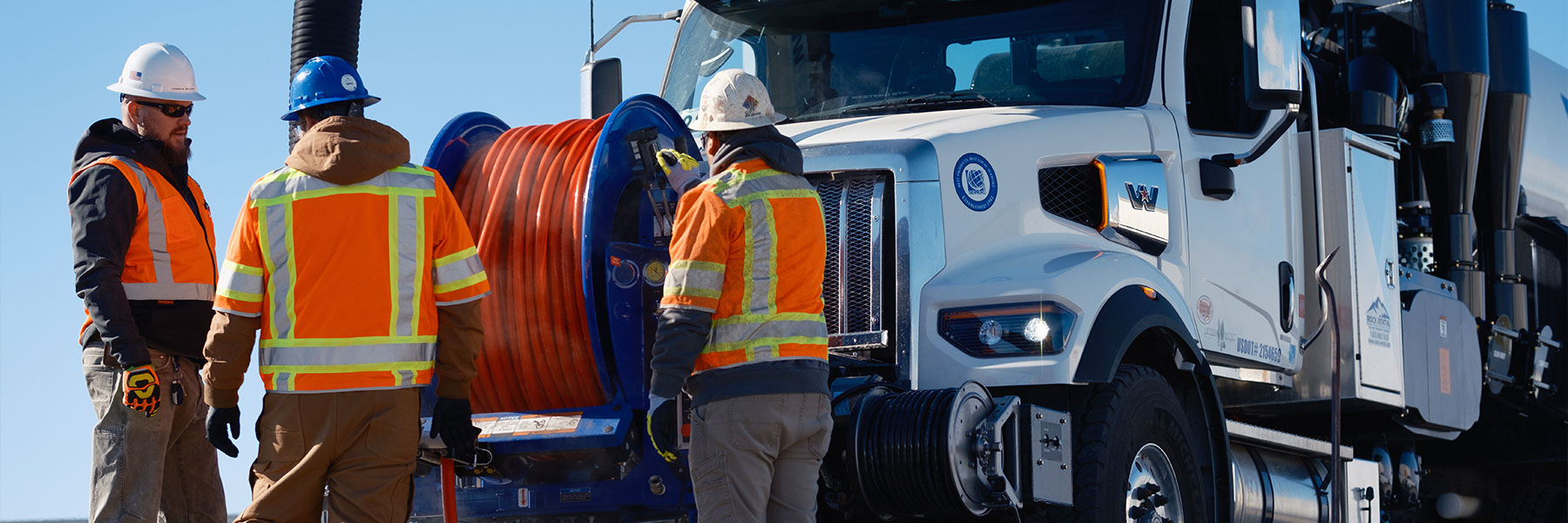
Hydro Jetting: The Complete Guide for Construction and Infrastructure Projects
Blocked sewer or storm lines can bring an entire construction project to a halt. However, many contractors underestimate how quickly debris, sediment, and buildup accumulate...
Read More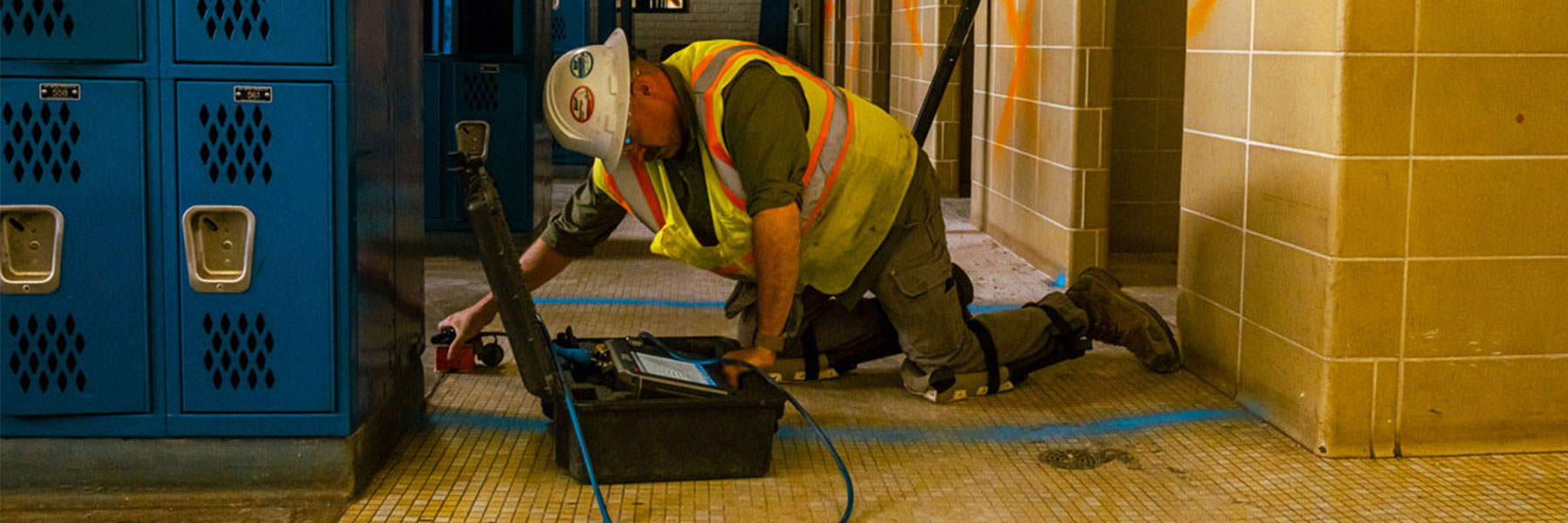
Concrete Scanning: Safe Core Drilling Without Hitting Rebar or Cables
Core drilling into concrete without knowing what’s inside creates serious risks. Hidden rebar, post-tension cables, electrical conduits, and plumbing lines often sit just inches below...
Read More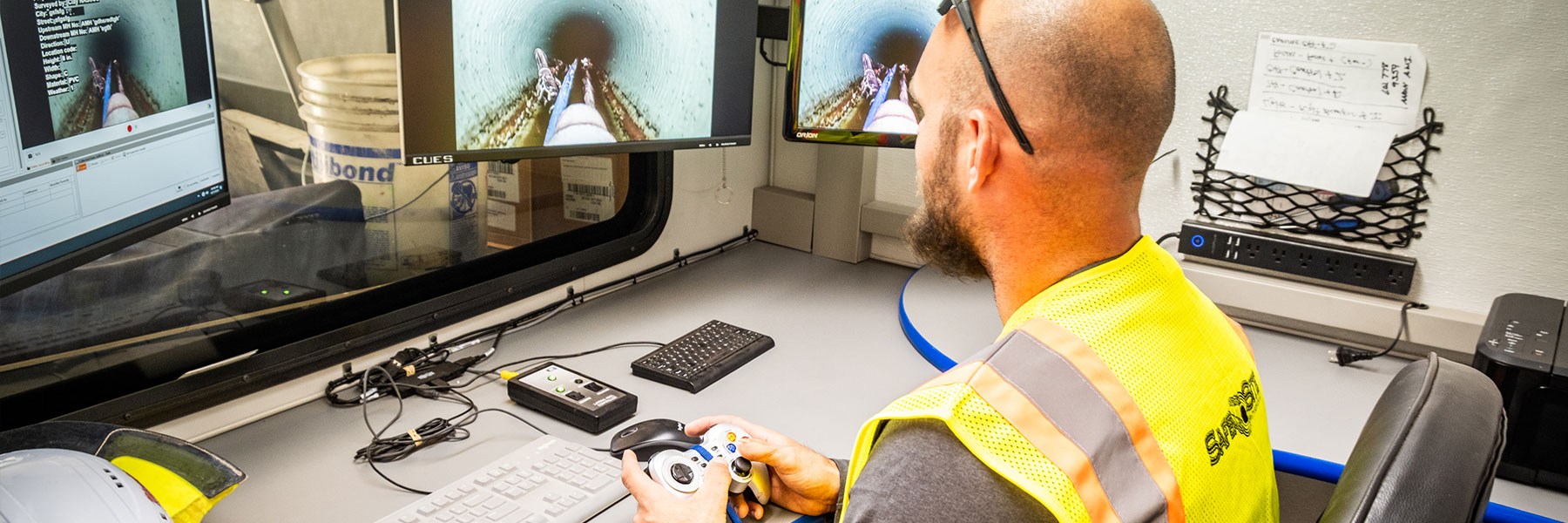
CCTV Pipe Inspection: A Smarter Way to See What’s Underground
When it comes to underground infrastructure, what you can’t see can quickly turn into costly delays. Hidden cracks, root intrusion, corrosion, collapsed pipes, and stubborn...
Read MoreSafe Site Expands Nationwide Through Partnership with NG Companies and TUD
Safe Site is proud to announce a strategic partnership with NG Companies. This collaboration represents a major step forward in our growth and service expansion....
Read More
SAFE Performance Awards Highlight Safety Excellence at Safe Site
At Safe Site, safety is more than a requirement—it is a core value that guides every project, every decision, and every team member in the...
Read More
Safe Site and The Underground Detective Are Now One United Company
We are excited to announce that The Underground Detective and Safe Site Utility Services have officially joined forces. This merger brings together two highly respected teams...
Read More